LSI Keywords: What They Are and How to Use Them
Do you want to rank in the top positions on Google but don't know how to achieve it? LSI Keywords must be part of your SEO strategy. Keep reading because we'll explain what they are, their importance for SEO, tips, tools, and much more about them.
What are LSI Keywords?
The well-known LSI Keywords owe their acronym to "Latent Semantic Indexing," which refers to related terms that are very useful for bots to deeply understand the content of our website.
But are these words synonyms? We must keep in mind that they are not synonyms in any case. These words are terms closely related to the main keyword and strongly tied to a specific topic. You can use synonyms in the content, but you should know that they are different from LSI keywords.
For example, if our keyword is "pilates," our LSI keywords will be:
-
mat
-
pilates ball
-
pilates machines
-
benefits of pilates..
-
etc.
That is why we must keep them very much in mind when we want to appear for the term pilates in search results.
These keywords will be crucial not only for bots to understand the content, but also to pin down the meaning if the main keyword has multiple meanings.
As is the case with "bank":
-
Banking institution
-
Seat (bench)
-
School of fish
How important are they for SEO ranking?
For some time now, search engine robots have interpreted the content of a page taking 100% of the keywords into account. For this reason, it is important to include terms related to the main keyword to provide content with complete semantic diversity. This way, we will make it easier for search engines to clearly know what the page is about, and we will also be able to rank not only for our main keyword but also for closely related terms.
We must think about creating an ecosystem around that keyword by including words that form part of its close context, in order to reach the top positions of the search engine.
This takes place in a context where, due to Google's numerous updates, the search engine is increasingly intelligent, subtle, and fast when crawling a website.
What are the differences between LSI Keywords and long tail keywords?
While LSI keywords are semantically related words, long tail keywords are longer keywords that usually have a lower search volume. These types of keywords are widely used and reveal the user's search intent since they often include words like "why," "how"... etc. As in the example: "What are LSI keywords"
Both are very necessary in our strategy if we want to rank our site by including both types of keywords. LSI keywords provide related content and context, while long tail keywords help rank generic keywords.
Recommended reading: SEO tutorial on long tail keywords
How to find LSI Keywords?
You should keep in mind the various techniques and tools available to find your related keywords:
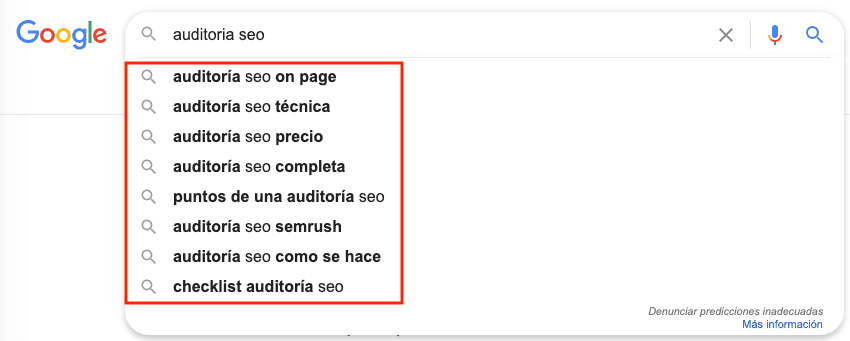
Google Autocomplete
Use Google Autocomplete as the quickest way to obtain these keywords for your content.
Related Searches
Google's related searches found at the bottom of each page will give you a hint.
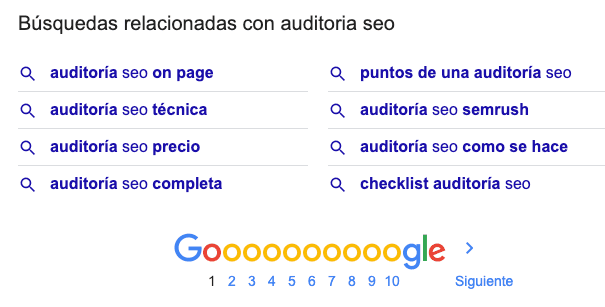
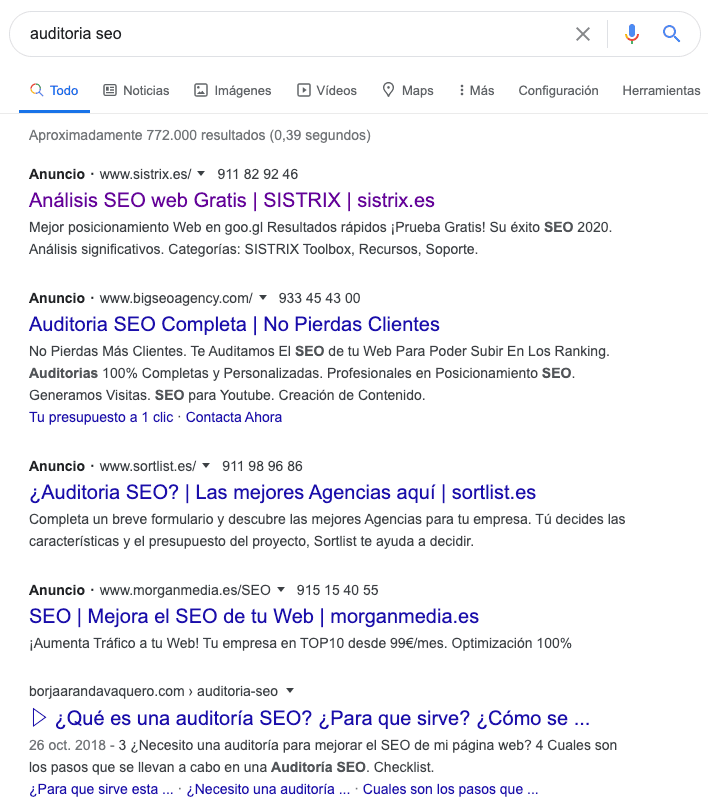
Bolded words in searches
Keywords highlighted in bold by Google in each search: If you look closely, the word you are searching for is highlighted in every search result that contains it. This can give you hints about which words will be important to include in your content or in the page metadata in order to rank for that keyword.
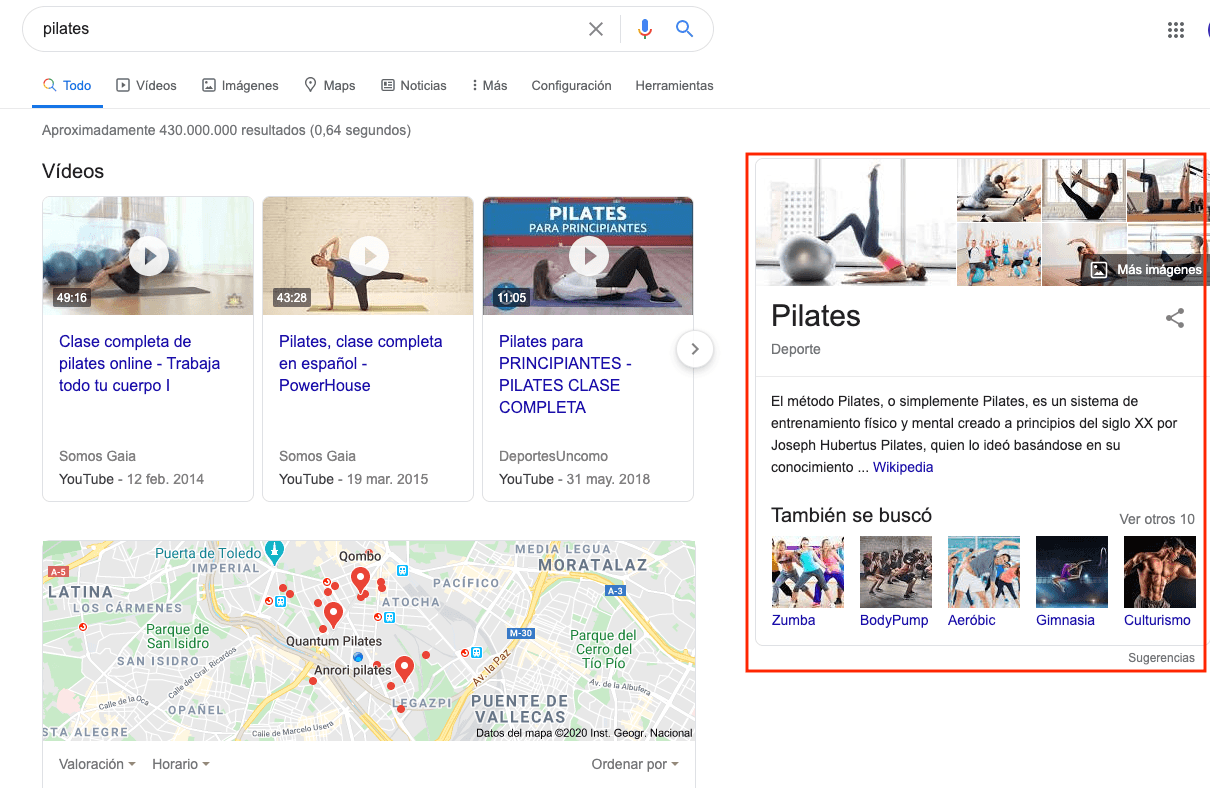
Google Suggestions
With certain queries, Google shows a box on the right with information extracted from Wikipedia, images, and related searches.
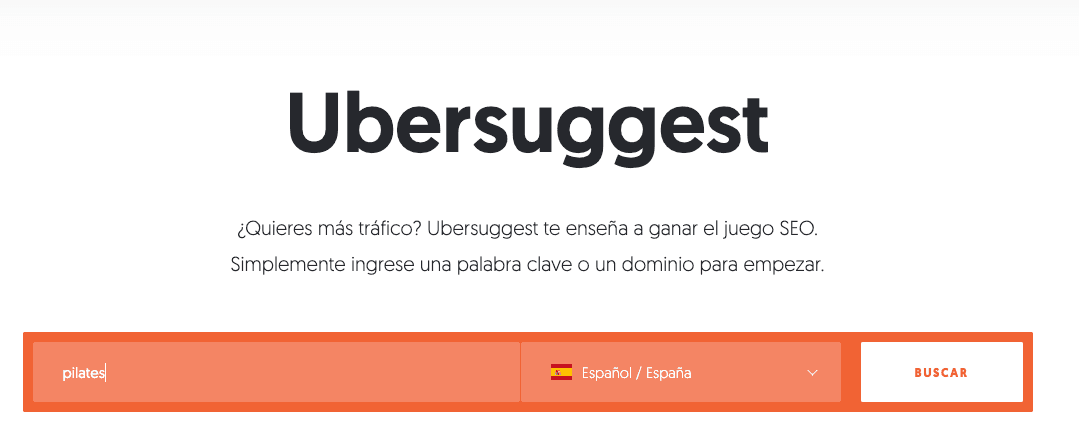
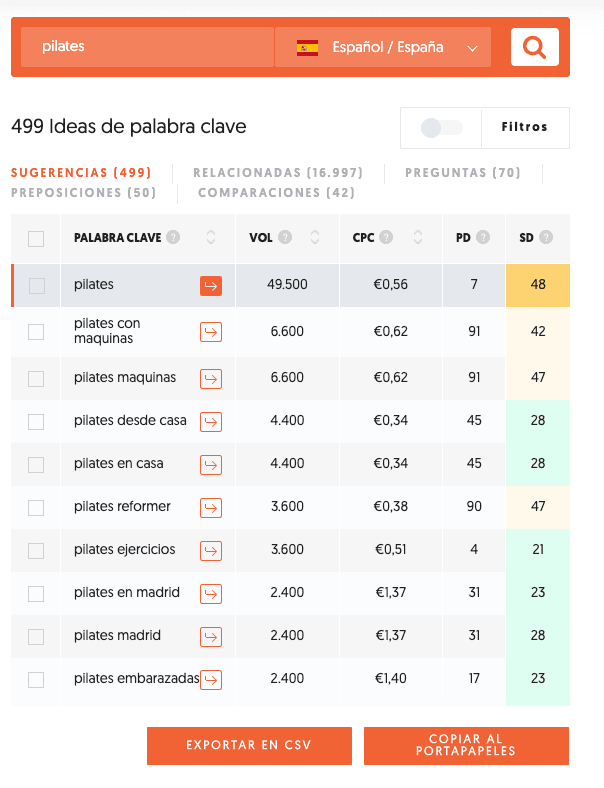
UberSuggest
This tool allows you to discover keyword ideas through suggestions by entering a keyword. It usually organizes them into related keywords, comparison words, questions, and keywords with prepositions. It's the best option, and it's also free.
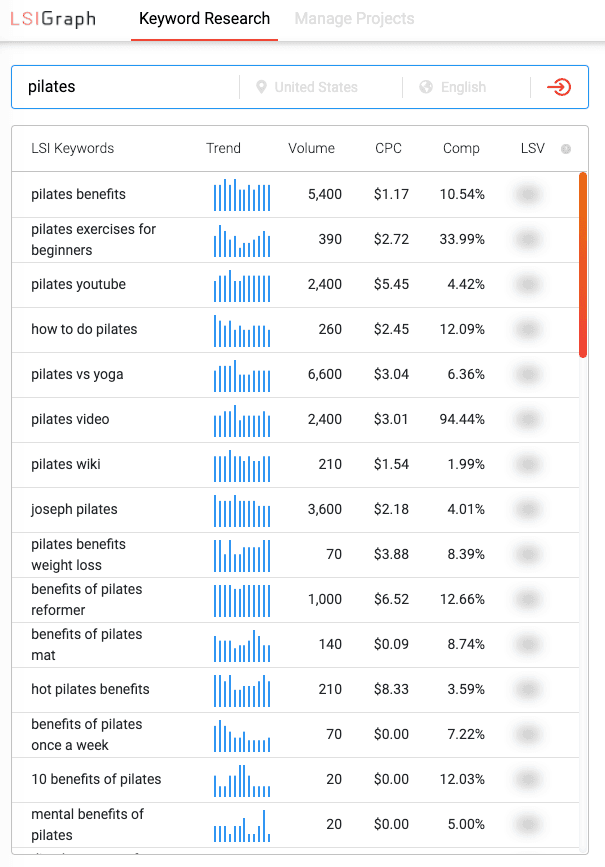
LSI Graph and LSI Keywords tools
LSIGraph and LSIKeywords are very similar tools. They offer you a set of LSI keywords that you will need to take into account in your strategy if you want to rank for a specific keyword.
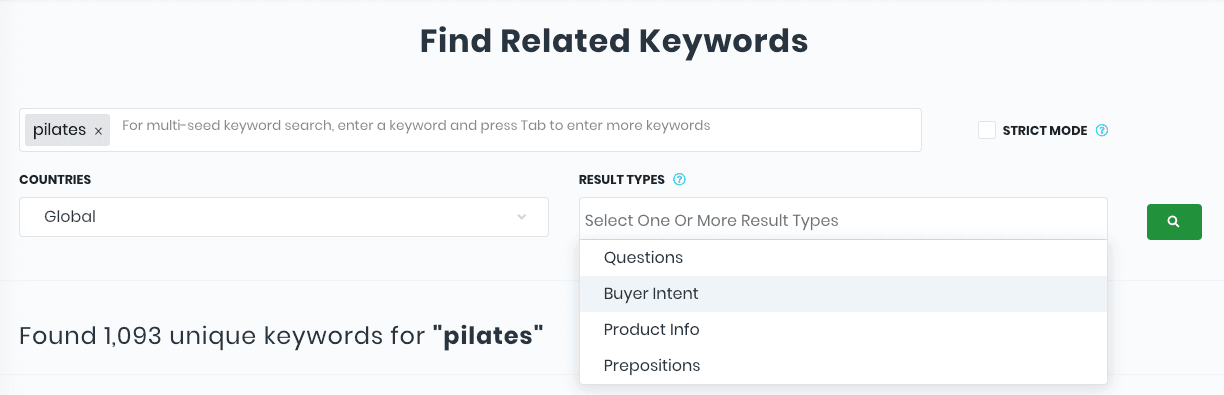
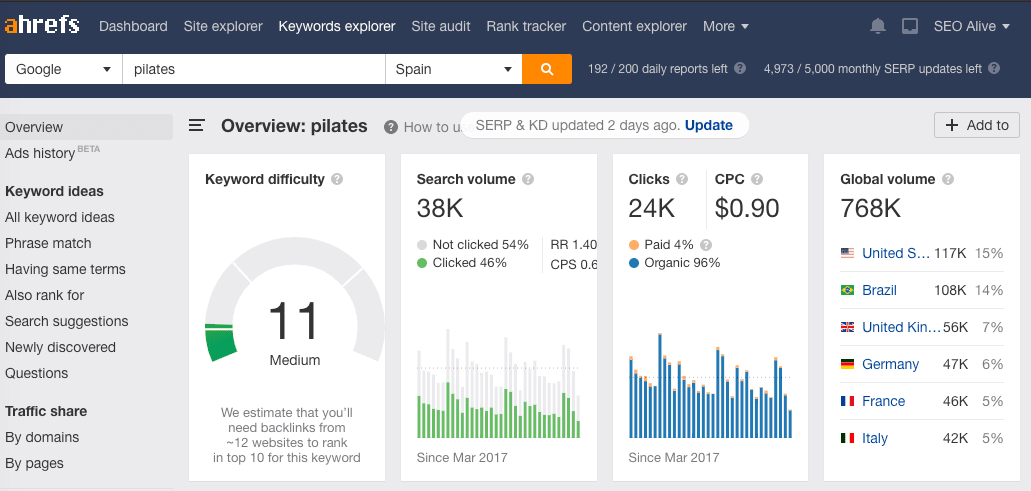
Ahrefs
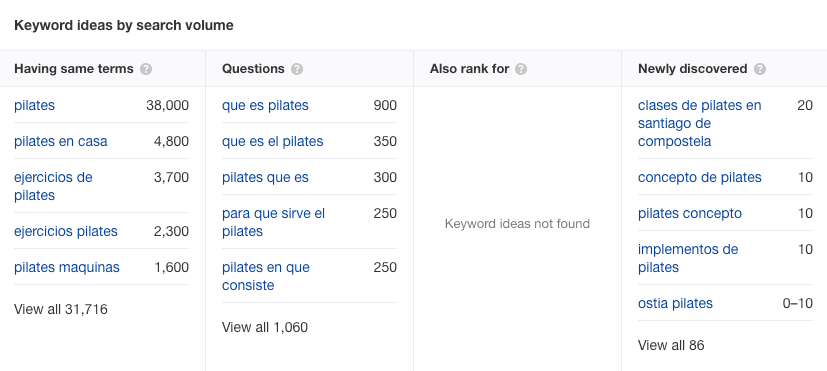
In this tool, you can find ideas for related keywords in the Keyword Explorer section.
Google Keyword Planner
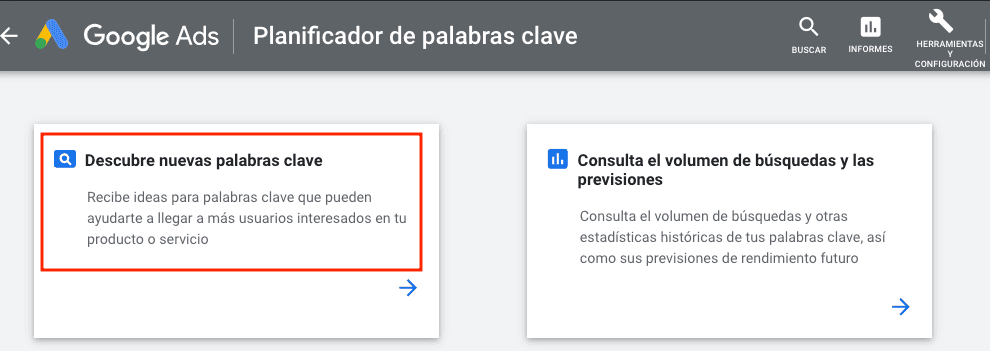
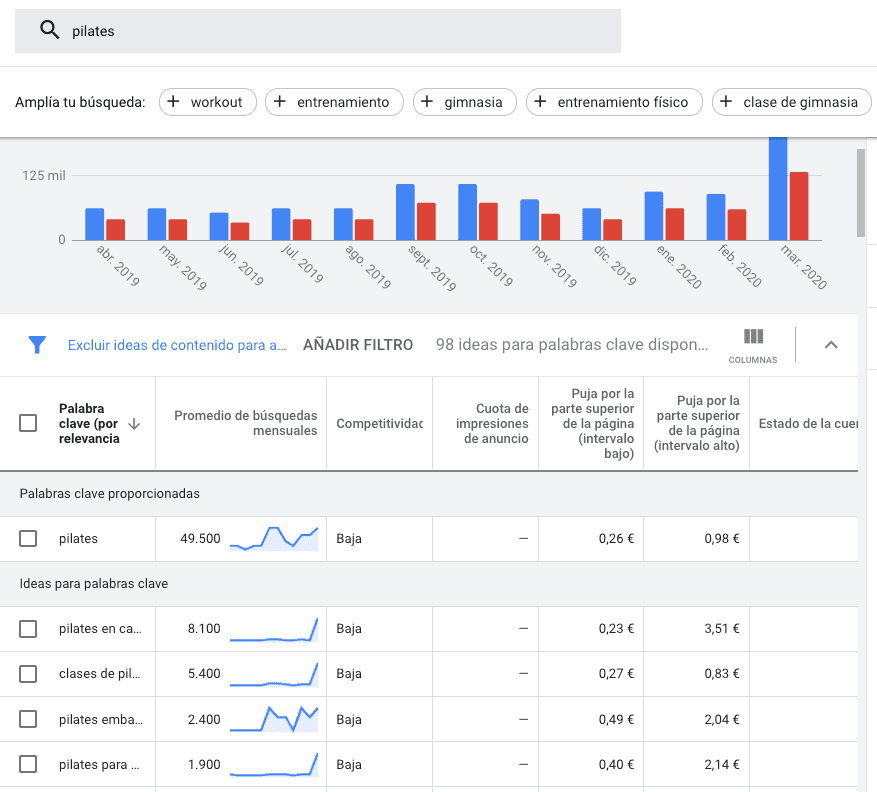
Google's Keyword Planner, which you'll find in Google Ads, is my favorite when searching for related keywords. You should always select the "keyword ideas" option.
Common sense
Last but not least, use common sense. It's essential that you read up and inform yourself about your market niche in order to have the entire semantics under control. With these related keywords, you can more easily orient your content, always keeping in mind the purpose of your content (whether it's informational, navigational, or transactional).
How to use LSI Keywords to improve your on-page SEO?
Google interprets your website by paying attention to meta tags and examining the content. You should optimize the following fields for search engines:
-
Optimize the Title: The page title should summarize the content of each page.
-
Optimize the Meta Description: You can introduce this type of LSI KW to give semantic variety to the description without forcing the use of the main keyword.
-
Optimize the H Headings: Use the main keyword in the H1, and the most important related ones can go in the rest of the headings.
-
Optimize the Content: You should focus on optimizing your content 100%. With the tools I mentioned above, you can discover related keyword ideas and include them naturally in the content.
-
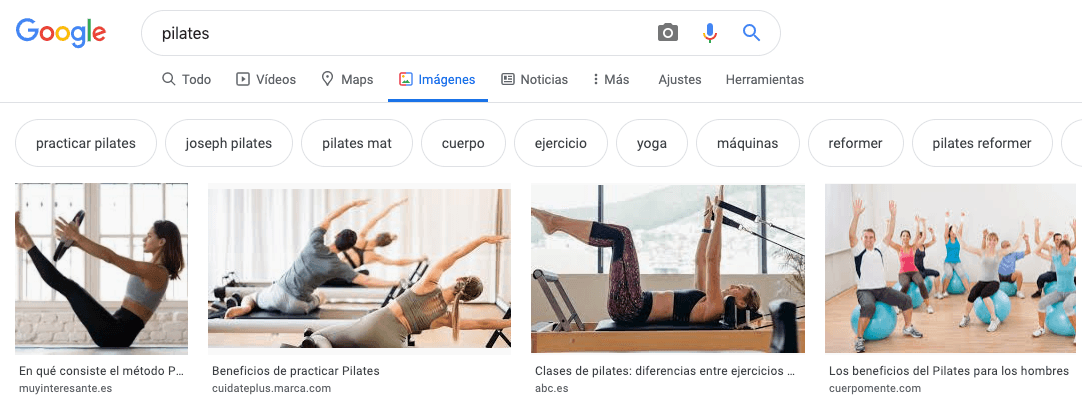
Optimize Images: You should fully optimize every image attribute (alt, title, and url), describing its content with several keywords. Don't forget that Google allows image searches, and the more effort we put into optimizing all our images, the better we can rank for that keyword.
Conclusions
Always use tools to make sure you're not forgetting any word in your semantic ecosystem.
Remember not to force things and always be natural in your SEO ranking strategy. You should not fall into over-optimization by overloading the content and meta tags with LSI Keywords. The search engine is interested in finding quality content, not content overloaded with keywords.
Author: David Kaufmann

I've spent the last 10+ years completely obsessed with SEO — and honestly, I wouldn't have it any other way.
My career hit a new level when I worked as a senior SEO specialist for Chess.com — one of the top 100 most visited websites on the entire internet. Operating at that scale, across millions of pages, dozens of languages, and one of the most competitive SERPs out there, taught me things no course or certification ever could. That experience changed my perspective on what great SEO really looks like — and it became the foundation for everything I've built since.
From that experience, I founded SEO Alive — an agency for brands that are serious about organic growth. We're not here to sell dashboards and monthly reports. We're here to build strategies that actually move the needle, combining the best of classical SEO with the exciting new world of Generative Engine Optimization (GEO) — making sure your brand shows up not just in Google's blue links, but inside the AI-generated answers that ChatGPT, Perplexity, and Google AI Overviews are delivering to millions of people every single day.
And because I couldn't find a tool that handled both of those worlds properly, I built one myself — SEOcrawl AI, an enterprise SEO intelligence platform that brings together rankings, technical audits, backlink monitoring, crawl health, and AI brand visibility tracking all in one place. It's the platform I always wished existed.
Discover more content about this author