Crawl Budget: What It Is and How to Optimize It
When we talk about SEO, things like "keywords", "metadata", headings, and content always come to mind. But technical SEO is another side of SEO that is also very important and should be taken into account in our web positioning strategy.
Within this world, we find the concept of crawl budget. Let's analyze it in depth!
What is the Crawl Budget?
The crawl budget is the time that Google dedicates when it visits a website. This budget affects the ranking and indexing of a site, and that is why it is key to pay attention to the crawl budget of our website. To achieve an optimal crawl budget, the key principles are:
-
accessibility
-
speed
-
quality
-
authority
What is a crawler?
A crawler is the spider or bot in charge of crawling websites and their URLs automatically. This bot stores and classifies the content that is later shown in search results to users. It is called Googlebot, since we are in Spain and we are talking about the fact that the most important search engine is Google. That said, it is essential that Google finds your website and knows that you exist.
How does Crawl Budget affect my website?
An optimized crawl budget will boost better positioning of your website in search engines. In addition to helping with the correct indexing of all the important pages. We cannot forget about the crawl budget in our SEO positioning strategy, because the time that Google invests in getting to know our website is very important.
How does it work?
Google's spiders crawl your website, and if the crawl budget is small it is possible that they will leave your site without crawling all the new content. They assign the budget based on two factors:
-
Crawl limit: Indicates the maximum crawl that a website supports and what the preferences are.
-
Crawl demand: Indicates the frequency with which the website should be crawled based on the site's popularity and the frequency with which it is updated.
Do you know how often your website is crawled?
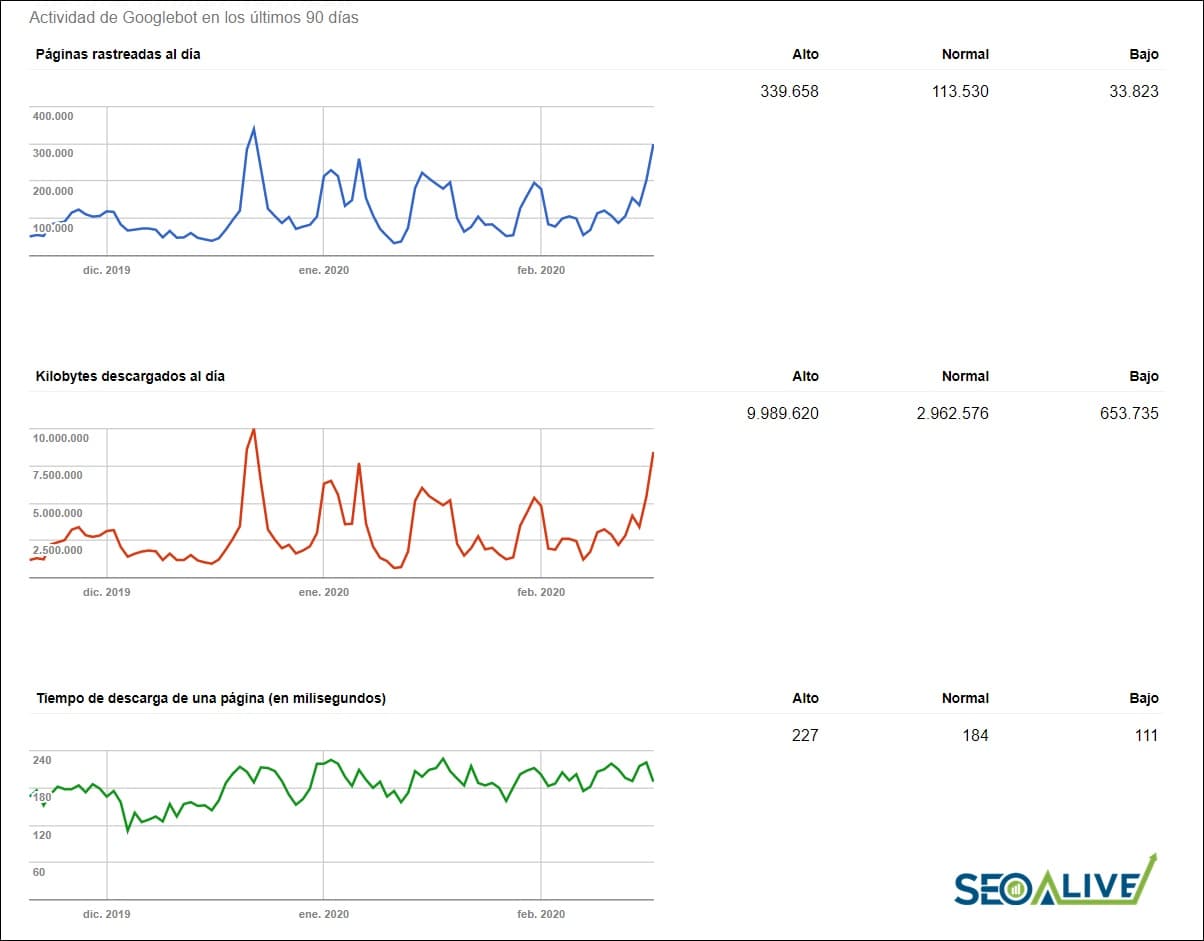
Thanks to Google Search Console we can see the crawl statistics for the last three months. In them we can see the pages it crawls per day, the kilobytes downloaded per day, and the download time of a page in milliseconds. The data has an average classified as high, normal, and low. This data is very illustrative if we take into account the total number of pages on our website and the average crawl data per day. With it we can know if we are within the norm or if, on the other hand, we need to improve the crawl budget.
Is a smaller crawl budget harmful?
Having a smaller crawl budget has drawbacks:
-
Difficulty for content to rank quickly, as Google does not know it exists and therefore does not crawl or index it.
-
Areas far from the website will be delicate areas if the crawl budget is small. The bot will not have time to go through the pages or sections that are further away on the website.
-
On-page SEO optimizations that have been made will not be crawled, and therefore, the improvements will not be visible.
-
If another website indexes and ranks the same content before our website, Google may identify that we have copied the content and penalize us for it.
-
A lot of crawl budget does not guarantee anything if we do not optimize it correctly.
What is the behavior of the spiders?
To know which pages Google visits and in which it is investing its time in crawling, and whether or not they coincide with our priorities in terms of SEO positioning, we must consult the information provided by the logs.
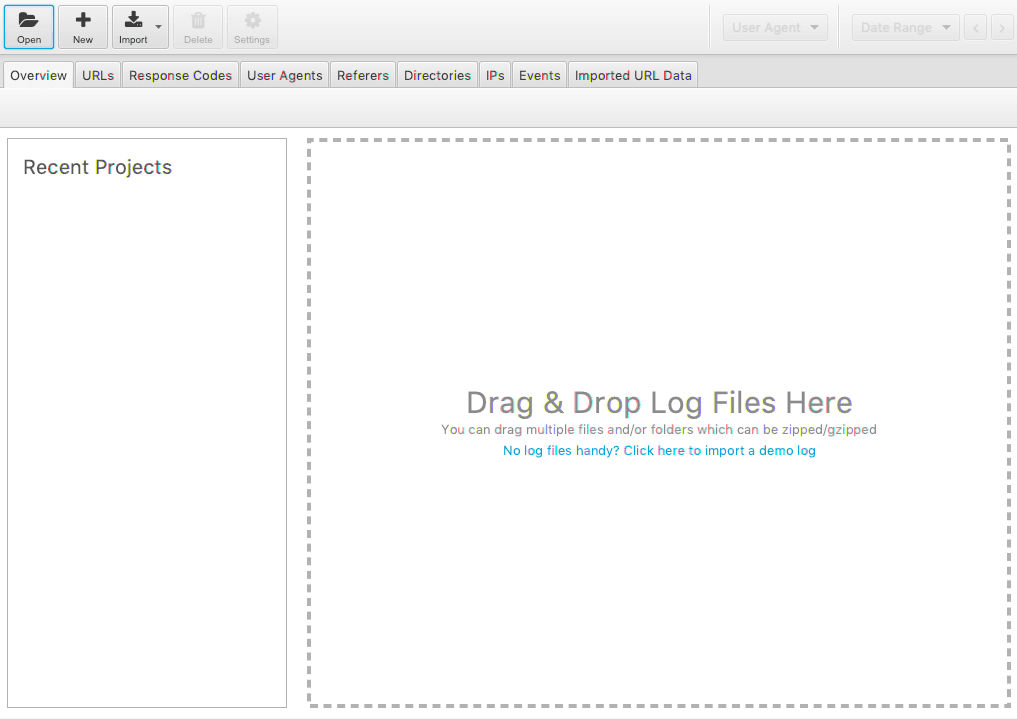
Logs are requests to the server that are stored and which we can access to know what Googlebot visits and what it does not. Exporting and organizing this document can be easier with ScreamingFrog Log File Analyser.
How to optimize our Crawl Budget?
We must be clear about our key URLs, for web positioning and for business, in order to get them to be the most crawled. It is useless to invest the crawl budget in pages that are not really important, such as pages with parameters, paginations, etc.
It will be crucial not to have duplicate content issues, or URLs that cannibalize the same keyword. Low-quality content is also harmful because bots will spend time going through it.
To optimize it, we must emphasize the following areas:
WPO (Web Performance Optimization)
Optimize loading speed or WPO so that Google does not take too long to crawl your website. Google likes clean code and the least amount of files possible to facilitate loading and achieve an optimal user experience when browsing.

Don't forget to:
-
Reduce and compress CSS and JS files
-
Watch the weight and size of images, and specify their size
-
Choose Nginx as a server to improve positioning through caching.
Links and redirects
The bot is going to crawl all the content on your website, and it is also going to follow each and every one of the links on each page. To favor a correct crawl, you must take into account:
-
You should avoid unnecessary redirects, as Google will get lost in them.
-
Redirect chains are redirects of many URLs that will cause Google to get lost in them without reaching the destination URLs.
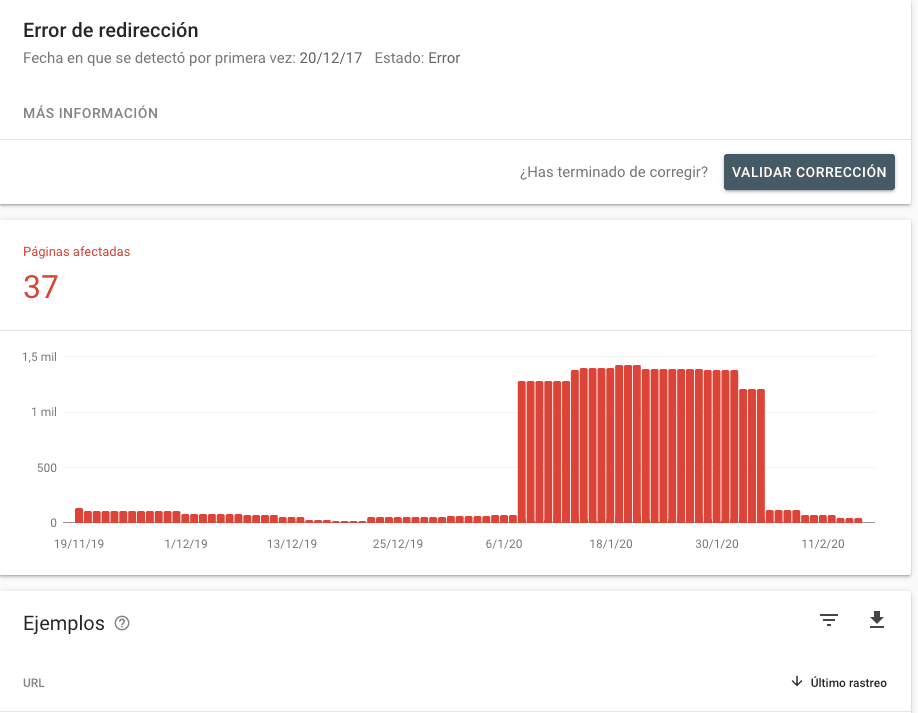
- Broken links (pages linked with a 404 not found status) in internal linking.
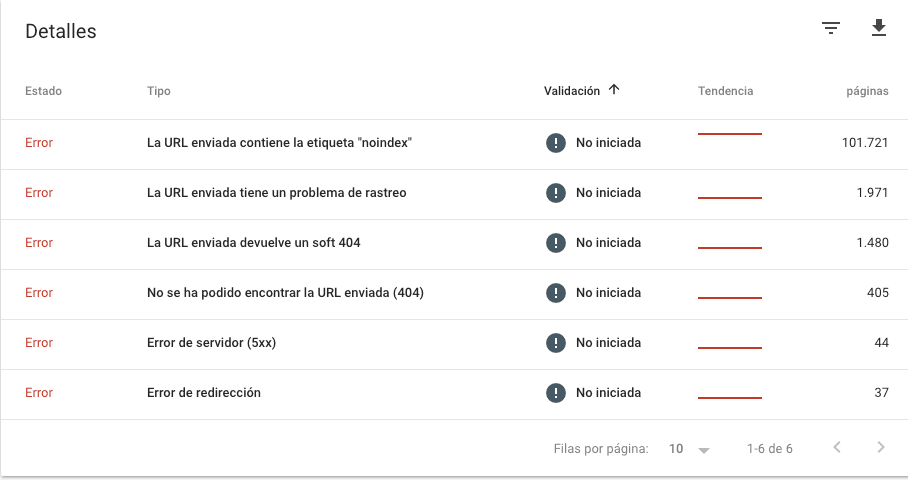
Screaming Frog and Search Console will be our special allies in detecting faulty redirects and all kinds of URLs with errors.
Internal linking
Internal linking will be crucial to take care of so as not to overdo it with linking and make the bots get lost crawling the URLs.
- We must reinforce the most important areas and leave the less important ones less linked. For this reason, there will be pages such as the privacy policy or the cookie page that will not be convenient to link on every page from the main menu or the footer.
Code
- It is advisable to include HTML as much as possible, to facilitate crawling and indexing for bots. It is well known that Google renders and indexes pages with JavaScript with difficulty.
XML Sitemap
The sitemap is one of the fundamental files for Google because it guarantees the correct crawling and indexing of a website.
-
The more organized the better. Organize the sitemap by verticals or folders.
-
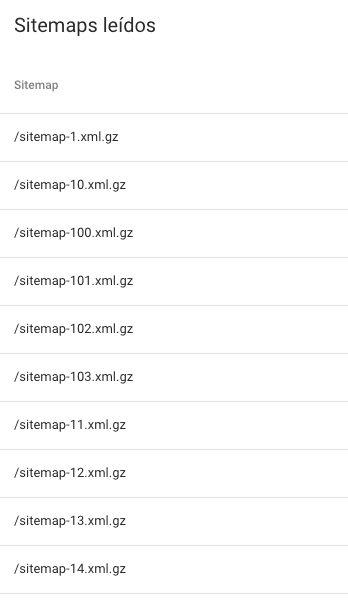
Specify a name that describes what it contains. Avoid names that are too generic such as "sitemap 1"
-
A sitemap for images, videos, and by language.
-
The URLs you include should always be the most important, so do not include pages with redirects, without a canonical tag, pages with filters, paginations, etc. Also, do not include pages that are not very relevant, such as privacy policy or cookies.
Robots txt
Along with the sitemap, the robots.txt file is one of the key files in the indexing and crawling of a website. So, don't forget to optimize it as much as possible:
-
Referencing the XML sitemap to facilitate crawling as much as possible.
-
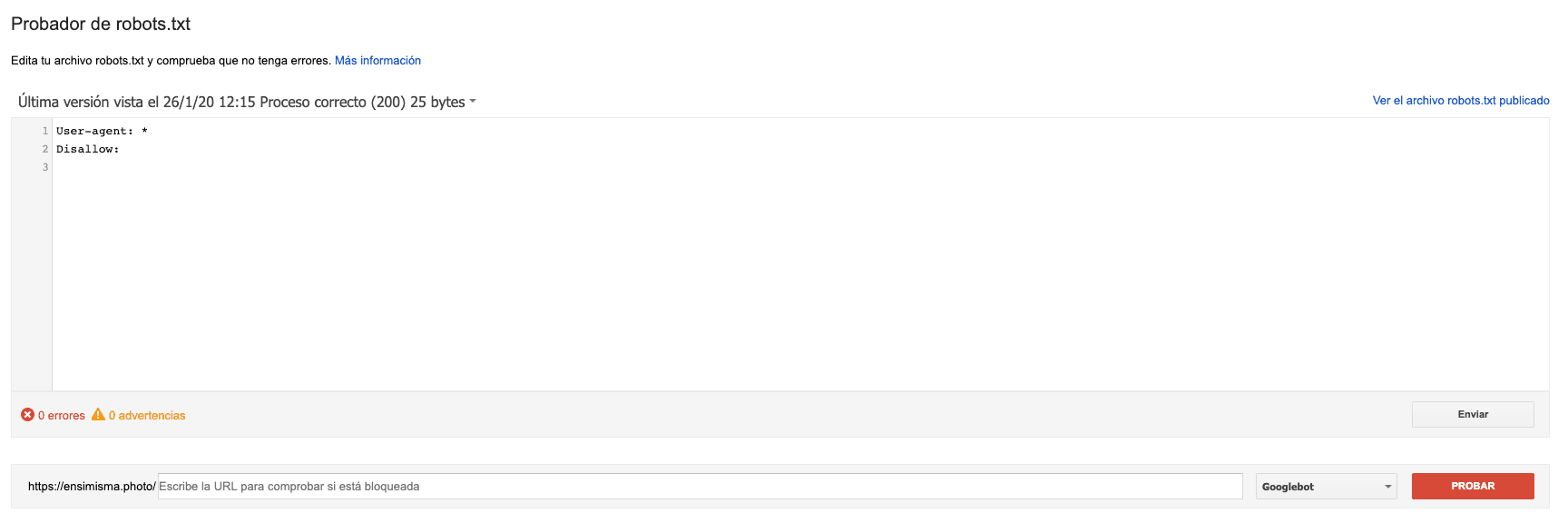
Do not block important folders. For this, you can try the Search Console robots.txt tester and check whether or not you are blocking any important folder or page.
-
Do not block pages with redirects or canonical
-
Allow access to JS and CSS
Hreflang tags
- These complete attributes will help Google identify in which languages and in how many the website is available.
Metarobots noindex and X-Robots-Tag
These directives tell the bot which pages or folders should not be indexed, but they do not prevent crawl access.
-
Tags with the metarobots "noindex" directive consume crawl budget, so it is vital not to overuse them.
-
The X-Robots header is included in the header at the code level and can indicate several directives to Google, including not indexing the page.
Sources consulted:
-
José Facchin: What is the crawl Budget, how important is it for Google and how can you improve it?
-
SEOCOM Agency: What is the Crawl Budget?
-
Big SEO Agency: What is the Crawl Budget? Keys to optimize it
-
ContentKing: Crawl budget in SEO: reference guide
-
Mi posicionamiento web: What is the Crawl Budget?
-
Luis Villanueva: What is the Crawl Budget?
-
Neil Patel: How to Use Google's Crawl Budget to Improve Your Website's SEO
-
Search Engine Journal: 7 tips to optimize Crawl Budget for SEO
-
Webmasters Google Blog: What crawl Budget means for Googlebot?
-
DeepCrawl: What is crawl budget?
Author: David Kaufmann

I've spent the last 10+ years completely obsessed with SEO — and honestly, I wouldn't have it any other way.
My career hit a new level when I worked as a senior SEO specialist for Chess.com — one of the top 100 most visited websites on the entire internet. Operating at that scale, across millions of pages, dozens of languages, and one of the most competitive SERPs out there, taught me things no course or certification ever could. That experience changed my perspective on what great SEO really looks like — and it became the foundation for everything I've built since.
From that experience, I founded SEO Alive — an agency for brands that are serious about organic growth. We're not here to sell dashboards and monthly reports. We're here to build strategies that actually move the needle, combining the best of classical SEO with the exciting new world of Generative Engine Optimization (GEO) — making sure your brand shows up not just in Google's blue links, but inside the AI-generated answers that ChatGPT, Perplexity, and Google AI Overviews are delivering to millions of people every single day.
And because I couldn't find a tool that handled both of those worlds properly, I built one myself — SEOcrawl AI, an enterprise SEO intelligence platform that brings together rankings, technical audits, backlink monitoring, crawl health, and AI brand visibility tracking all in one place. It's the platform I always wished existed.
Discover more content about this author