Keyword Cannibalization Checker: Find & Fix It in Seconds
Stop Two of Your Pages from Cannibalizing Each Other
SEOcrawl scans every URL on your site against every query you rank for and surfaces the pairs of pages competing for the same intent — with the recommended fix for each one. Try it free.
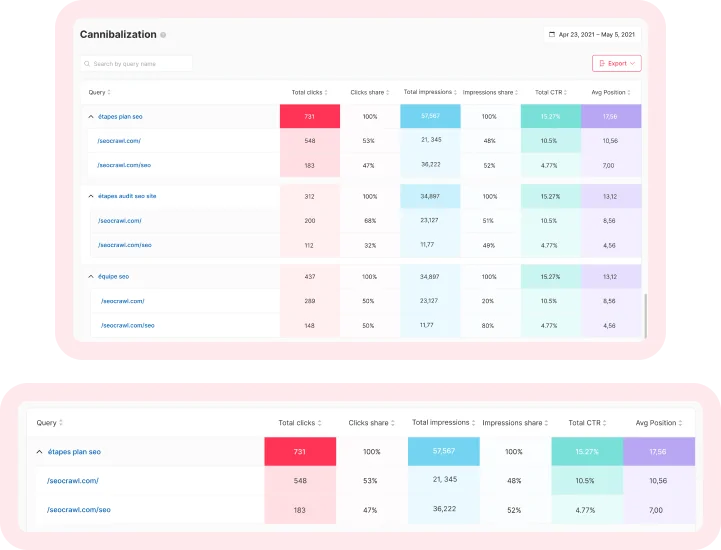
Cannibalization Features
Detect cannibalization at scale
Scan every URL on your site against every query you rank for, and surface the pairs (and trios) of pages competing for the same intent — automatically, without exporting a single CSV.
- Automatic detection across your entire Search Console history
- Works on internal cannibalization (same domain) and brand cannibalization
- Sortable by impact: clicks lost, impressions split, position drops
See the per-URL, per-query impact
For every cannibalized query, see which URLs are fighting for it, the position each one holds, the CTR they're losing, and how the split has changed over time. Decide which page to keep with real numbers, not a hunch.
- Position history per URL × query, side by side
- Click and impression split between competing URLs
- Date-range comparison so you can spot when it started
Get the fix recommendation
For every cannibalized query SEOcrawl suggests the right play: consolidate two pages into one, 301 the weaker one, restructure the internal links, or split the intent if both pages serve different searcher needs.
- Consolidate, redirect, or split — recommended per query
- Link equity considered: backlinks, internal links, age
- Export the action list to your task manager in one click
Prevent it before it costs rankings
New cannibalization issues appear every time you publish content. SEOcrawl monitors continuously and alerts you the moment a new URL starts competing with an existing one — before the rankings drop hits Search Console.
- Real-time alerts on new cannibalization clusters
- Pre-publish check: paste a draft URL, see if it conflicts
- Built into your dashboard — no separate tool to learn
Built for every SEO team
SEO agencies
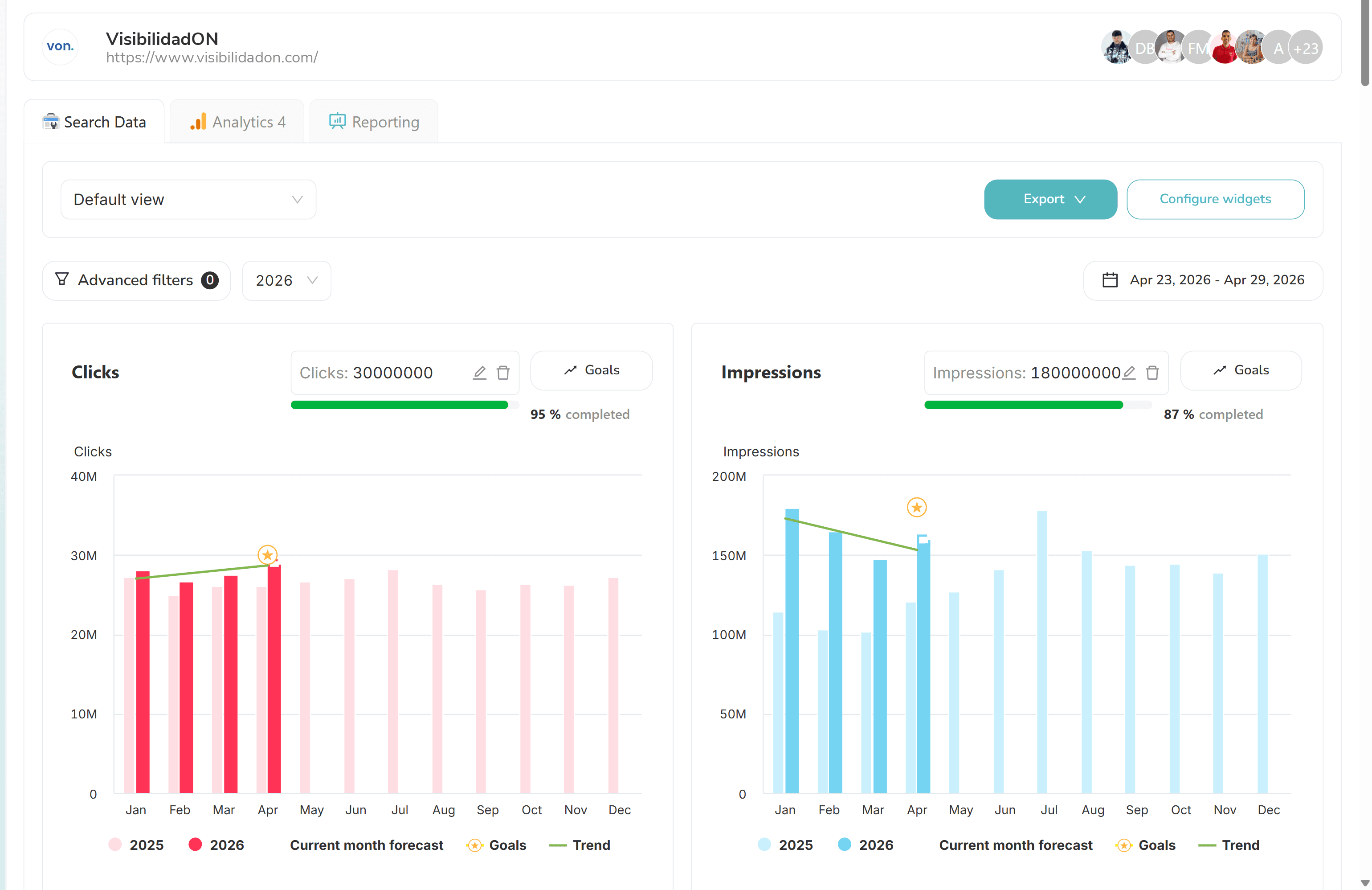
Audit cannibalization on every client site in seconds, not days. Show clients the exact pages cannibalizing each other, the recommended fix, and the projected click recovery — all in one white-label report.
In-house SEO teams
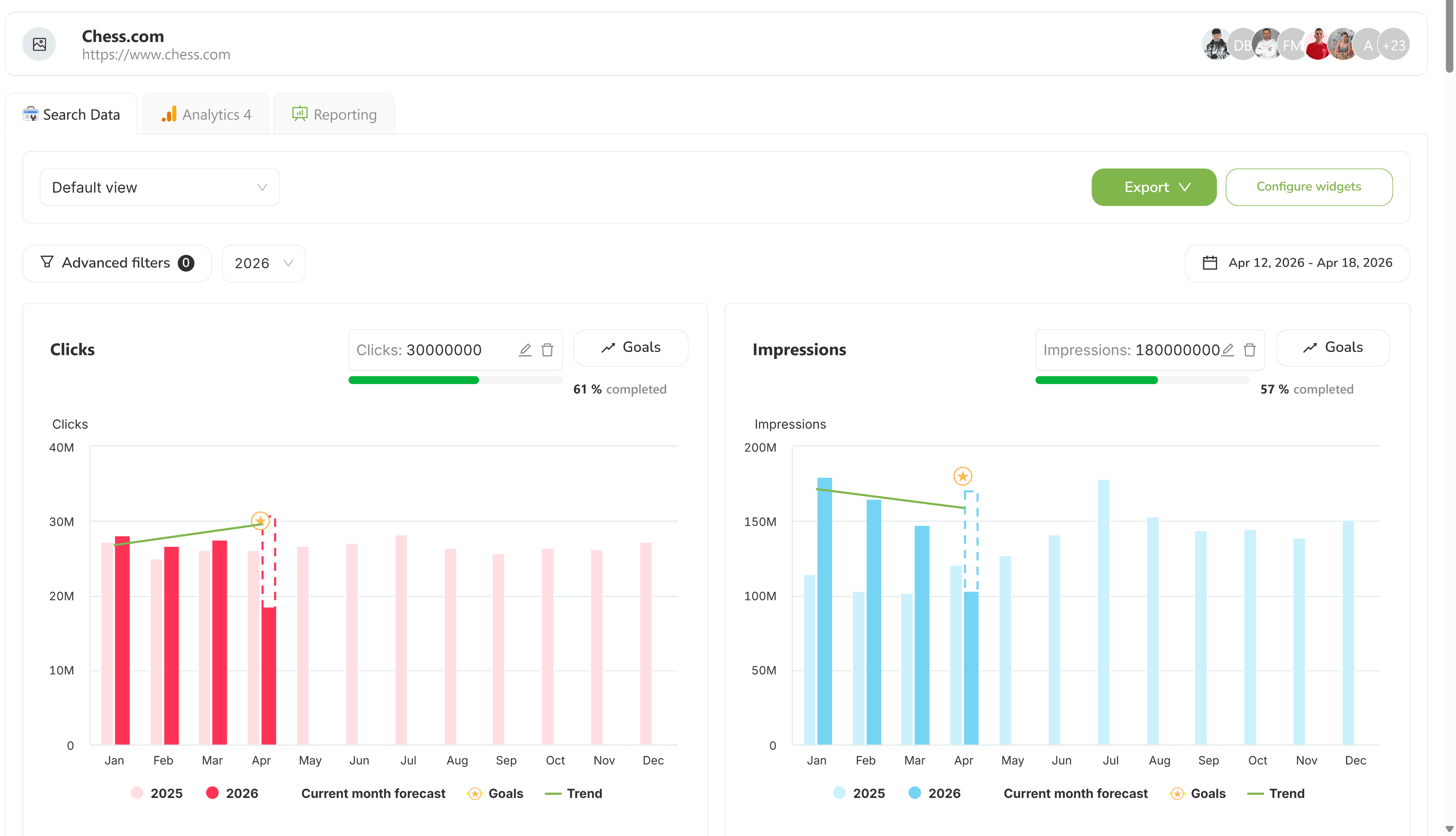
Editors keep publishing. Product keeps spinning up landing pages. Cannibalization is inevitable — until it's monitored automatically. Catch new conflicts the day they happen, not the quarter you finally do an audit.
Content teams
Before publishing a new article, paste the target query and see if it conflicts with anything you already have ranking. No more two competing posts, no more wasted briefs.
Freelancers
Spot the easy wins before pitching a new client: open a free cannibalization report on their site, list the top 5 conflicts, and walk into the call with a clear fix-list.
Positive vs Negative cannibalization
Two URLs ranking for the same query is not always a problem. The difference between losing money and leaving things alone comes down to one number: where the conversions actually happen.
Positive cannibalization
Both URLs rank near the top, both convert well. Total clicks and total conversions are higher than if you killed one.
Recommended action: sit back. SEOcrawl flags this as positive — leave it alone.
Negative cannibalization
The page that converts worse ranks higher than the page that converts better. Same total traffic, but you leave money on the table.
Recommended action: consolidate. SEOcrawl recommends one of the 3 fixes below.
The 3 fixes SEOcrawl recommends
Do nothing
Both pages rank well and both convert. No action needed — moving anything would lose total clicks. SEOcrawl labels these clearly so you don't burn time on false positives.
301 redirect the weaker URL
The page that converts worse ranks higher. Consolidate everything onto the better-converting URL via a 301. SEOcrawl computes the projected click recovery so you can pitch the change with numbers.
Keep both, swap the order
Both pages have a reason to exist (different intent, different audience). Improve the under-ranked page's content, metadata and internal links to push it above. SEOcrawl shows the gap to close.
Watch out: not all "cannibalizations" are real
Without a country filter, two of your URLs ranking for the same query may simply mean each one ranks in a different country (e.g. /en for the UK, /es for Spain). SEOcrawl filters by country, device, brand-vs-non-brand and time period automatically — so what you see is the genuine cannibalization, not a Google-randomization artifact.
FAQs
What is keyword cannibalization?
Keyword cannibalization happens when two or more pages on the same site target and rank for the same query, splitting clicks, impressions and link equity between them. Instead of one strong page ranking #2, you end up with two weaker pages alternating between #6 and #9 — and Google rarely shows both in the SERP, so total traffic drops.
How do I find keyword cannibalization on my site?
SEOcrawl pulls your full Google Search Console history and automatically flags every query where two or more URLs from your domain rank in the top 50 simultaneously. You see the pairs ranked by lost clicks, the position each URL holds over time, and the dates the cannibalization started — no spreadsheet required.
How do I fix keyword cannibalization?
Three options depending on the case: (1) consolidate the two pages into one stronger article and 301 the weaker URL, (2) keep both but rewrite one to target a different query, or (3) restructure internal links so search engines understand which page is canonical for the query. SEOcrawl recommends the right play for every cannibalized query based on link equity, backlinks and content depth.
How can I prevent keyword cannibalization in the first place?
Before publishing a new article or landing page, run the target query through SEOcrawl's pre-publish check — it tells you if you already have URLs ranking for that query and how strong they are. The Keyword Cannibalization Checker also runs continuously in the background, so any new conflict triggers a real-time alert before rankings drop.
Is keyword cannibalization always bad?
No. Two pages legitimately ranking for the same query is fine when they target genuinely different intents (e.g. a product page and a how-to article). Cannibalization is only a problem when both pages are competing for the same intent and Google has trouble picking one — that's when you lose clicks. SEOcrawl flags only the cases where impact is real, so you don't waste time on false positives.
Want to see it in action?
Let us show you the Keyword Cannibalization Checker live, on your own site — book a 30-minute call with our team.
More SEO Tools
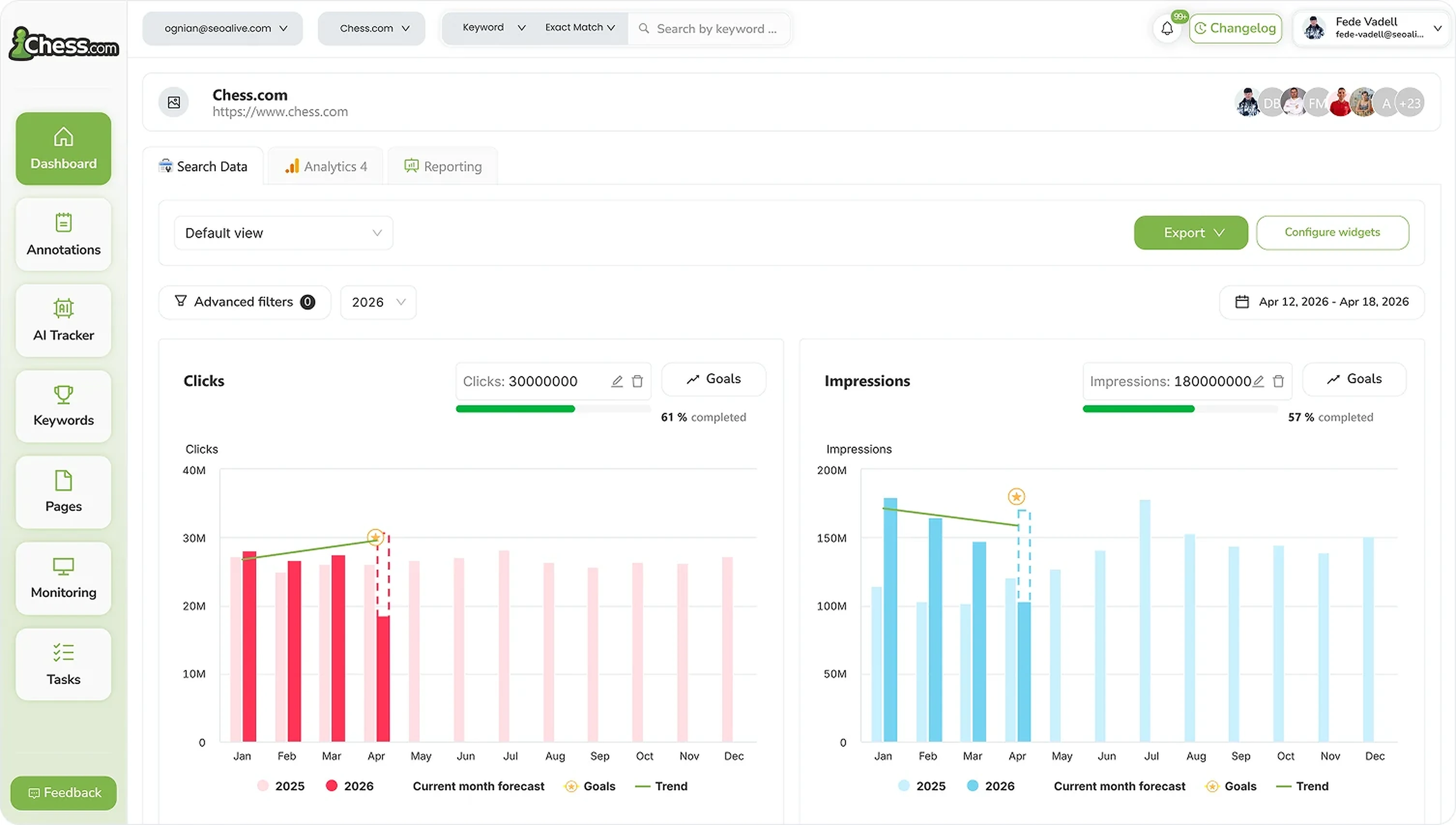
SEO Dashboard
Performance, growth and traffic prediction with unlimited Search Console data.

Rank Tracker
Unlimited keyword tracking with smart clusters, tags and heat maps.
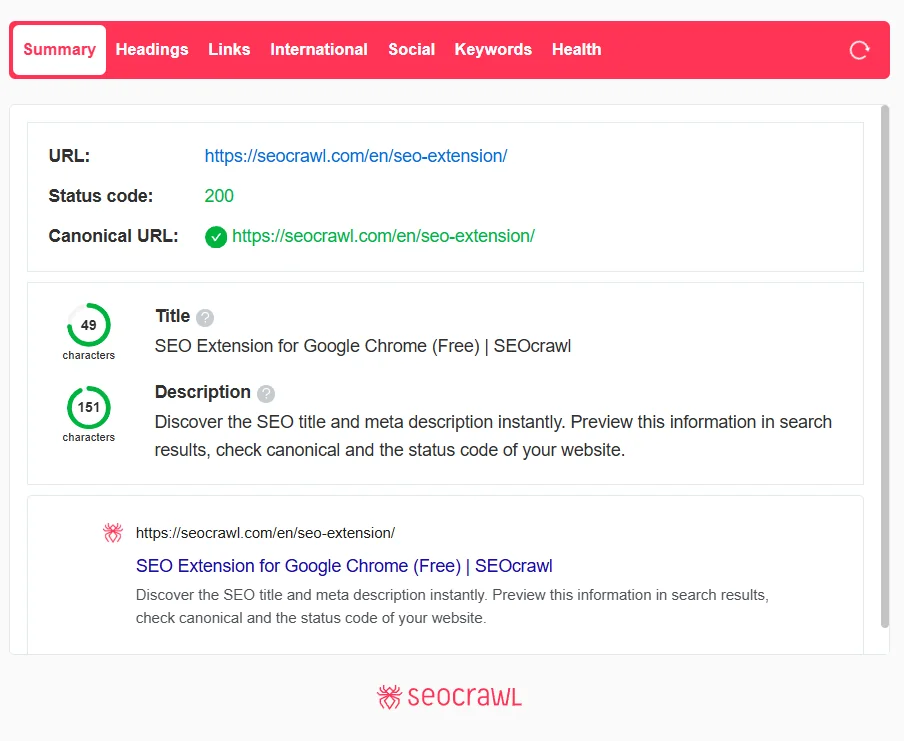
SEO Extension
Free Chrome extension for one-click on-page SEO audits.
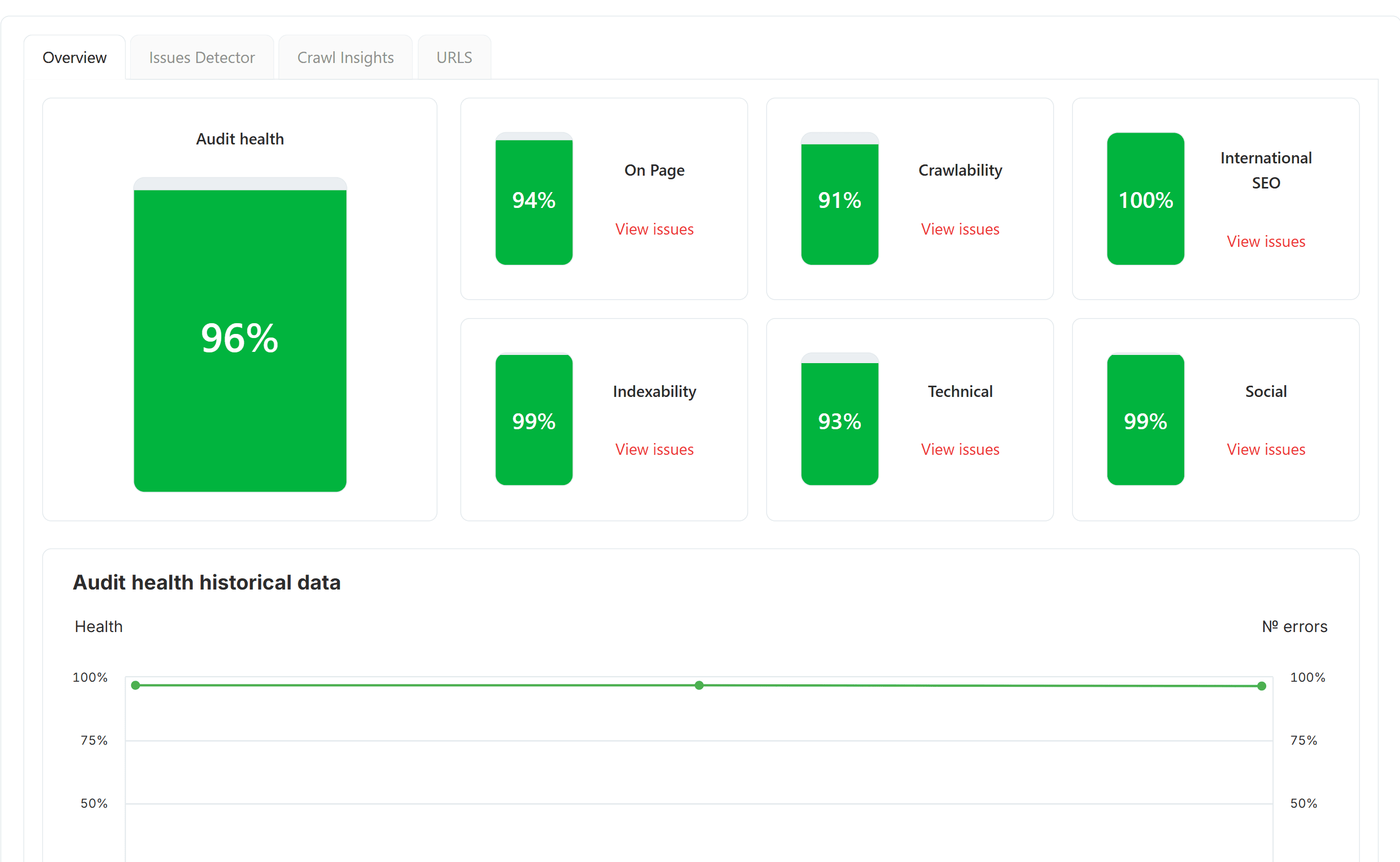
SEO Audit
Free SEO audit tool — crawl every page and get a global Audit Health Score in seconds.
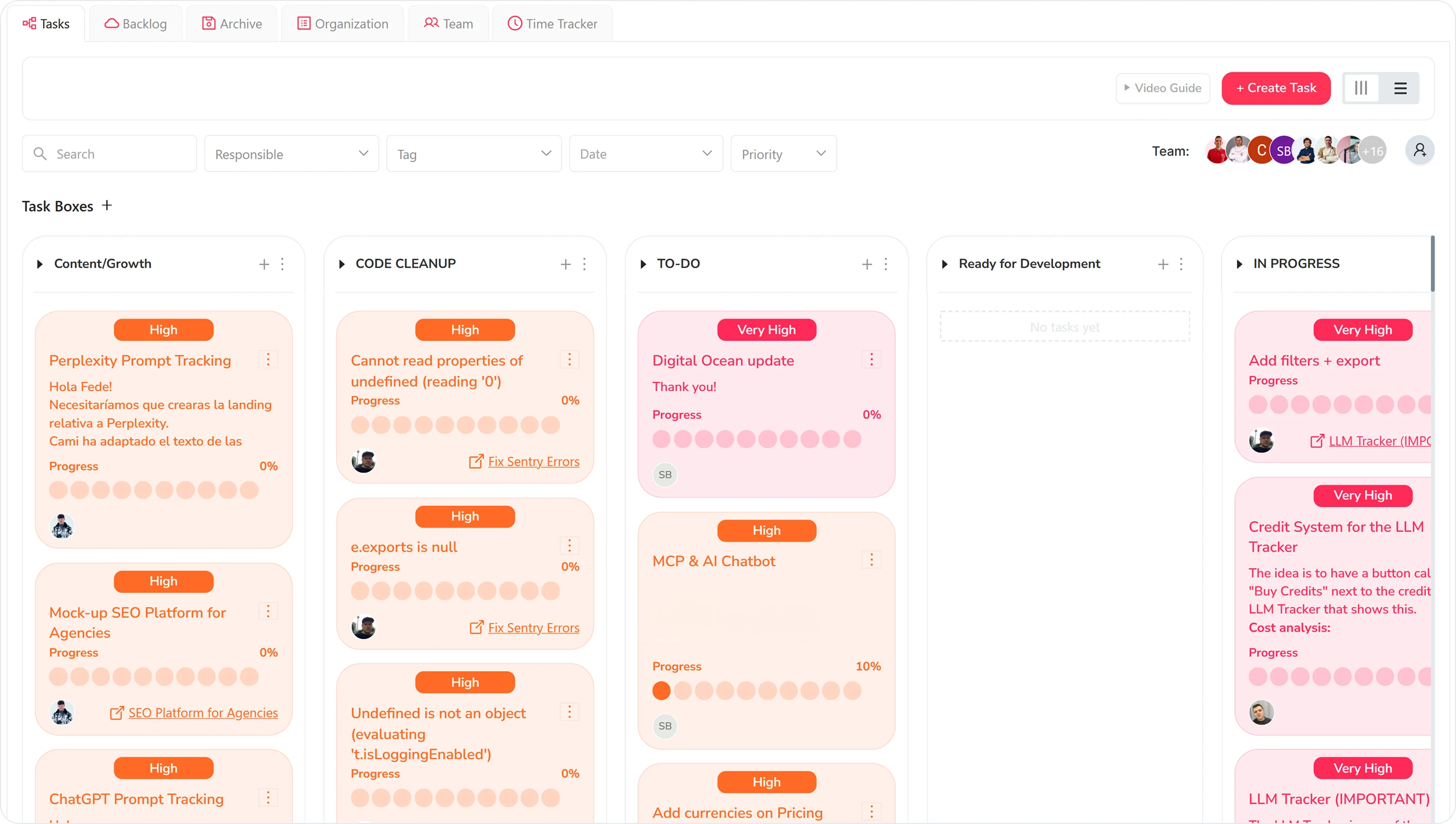
Task Manager
Kanban board to organize SEO tasks, priorities and team workflow.
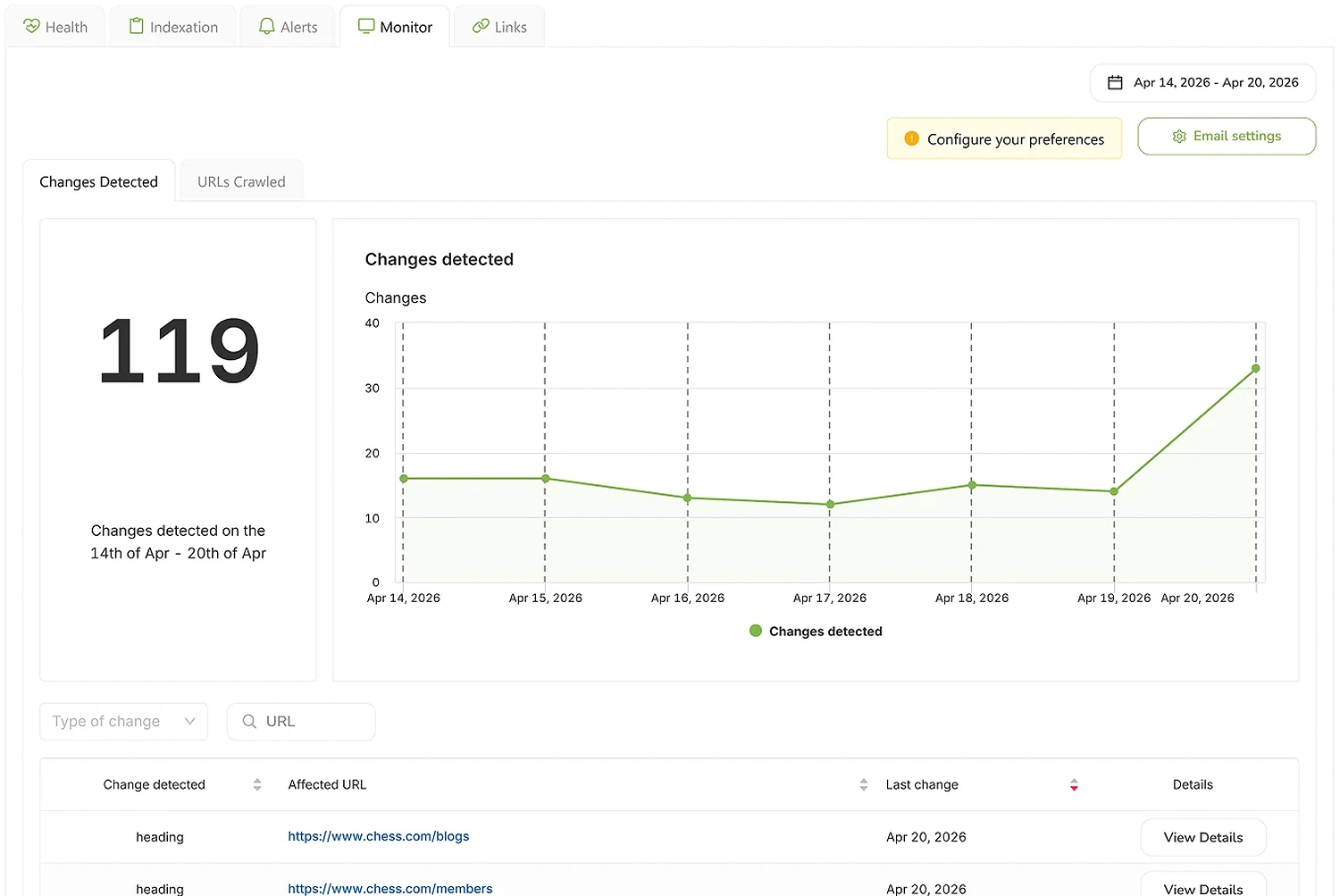
SEO Monitor
Real-time alerts on every site change that affects your rankings — status, robots, canonical, hreflang, noindex.
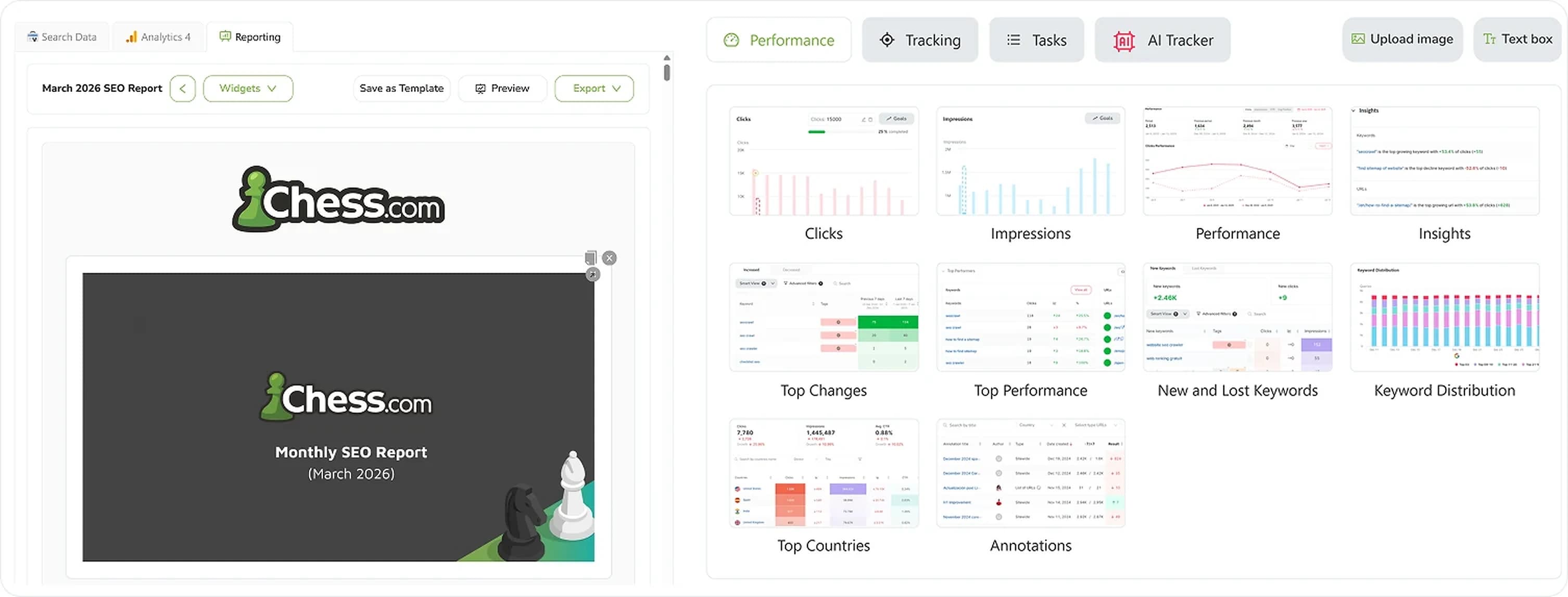
SEO Reporting
White-label SEO reports your clients actually read. Templates, custom branding, CNAME, scheduled delivery.
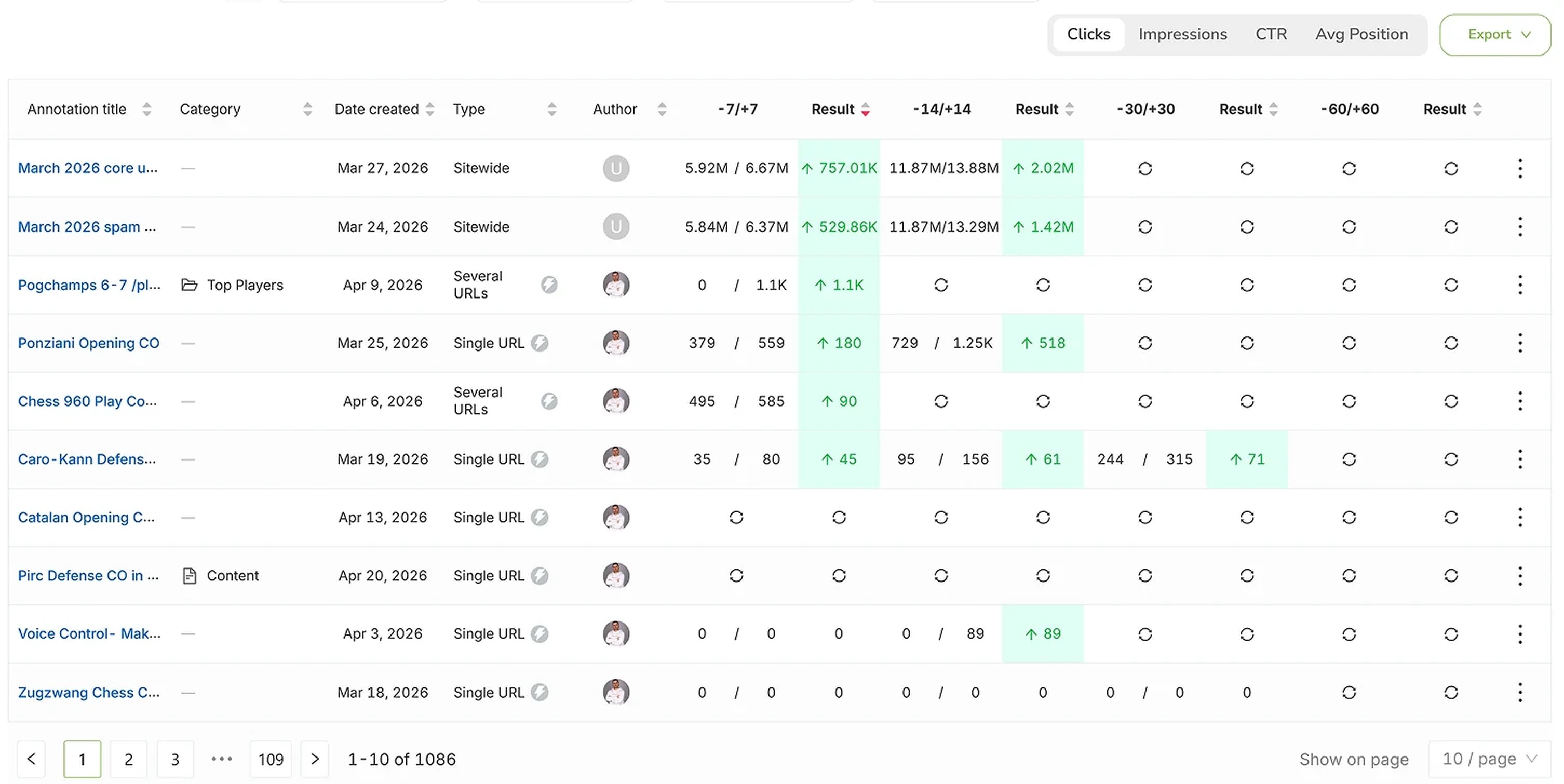
SEO Annotations
Mark every site change on every chart and see the real impact on rankings, clicks and impressions.
White-Label Rank Tracker
Unlimited keyword tracking under your agency brand — custom CNAME, branded PDF reports, daily updates across Google, Bing and YouTube.
White-Label SEO Dashboard
Branded client-facing SEO dashboard with real-time GA4 + Search Console data. Custom CNAME, your logo, your colors.