What Are SERPs and How Are They Evolving?
You've probably heard about SERPs and how important it is to improve your ranking on them. If you want to know what this acronym means and how to claim the top spots, keep reading.
What are SERPs?
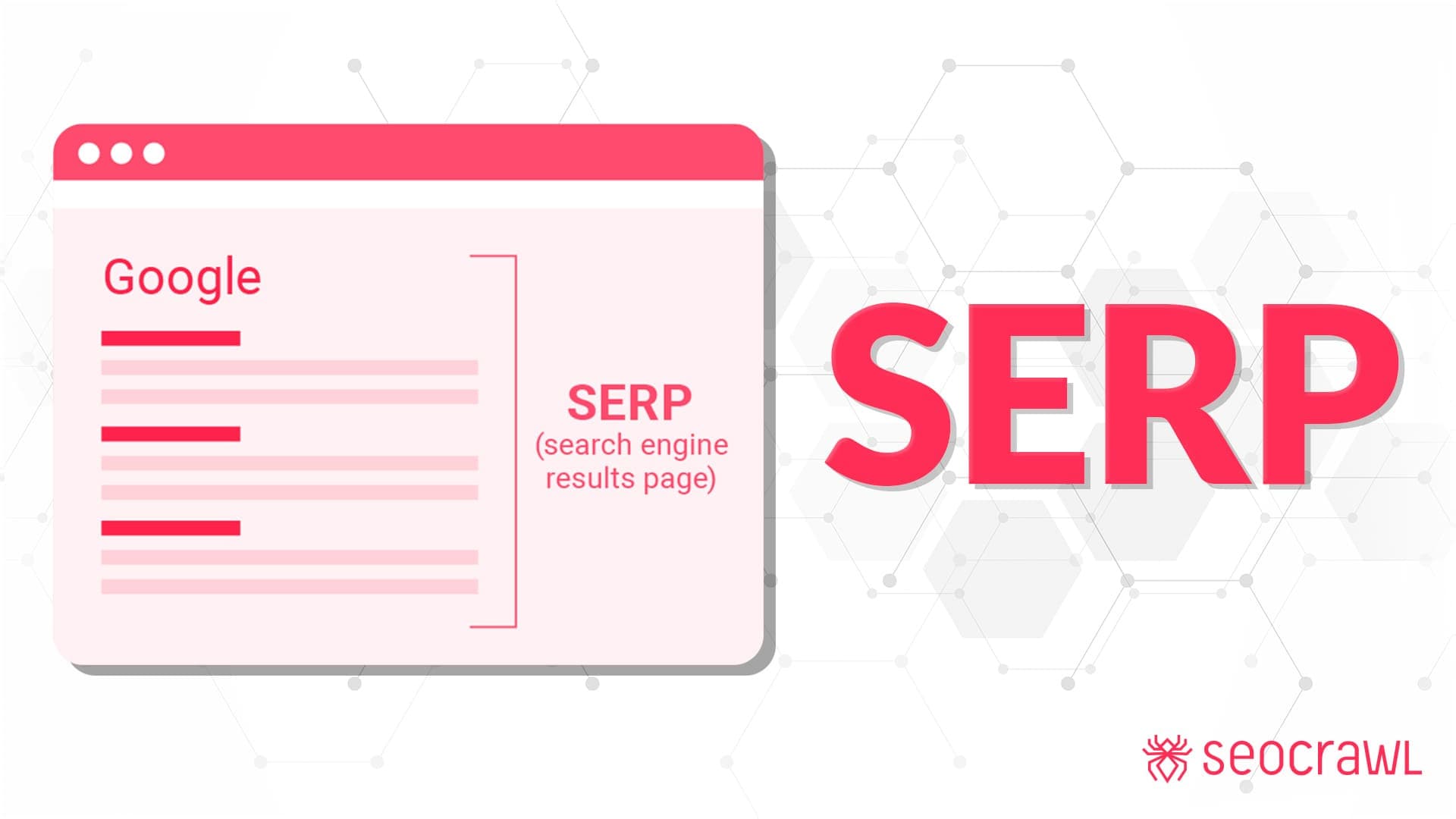
SERP stands for "Search Engine Results Page" and refers to the search results displayed on a search engine's pages (Google, Bing, Yandex…).
Types of SERPs
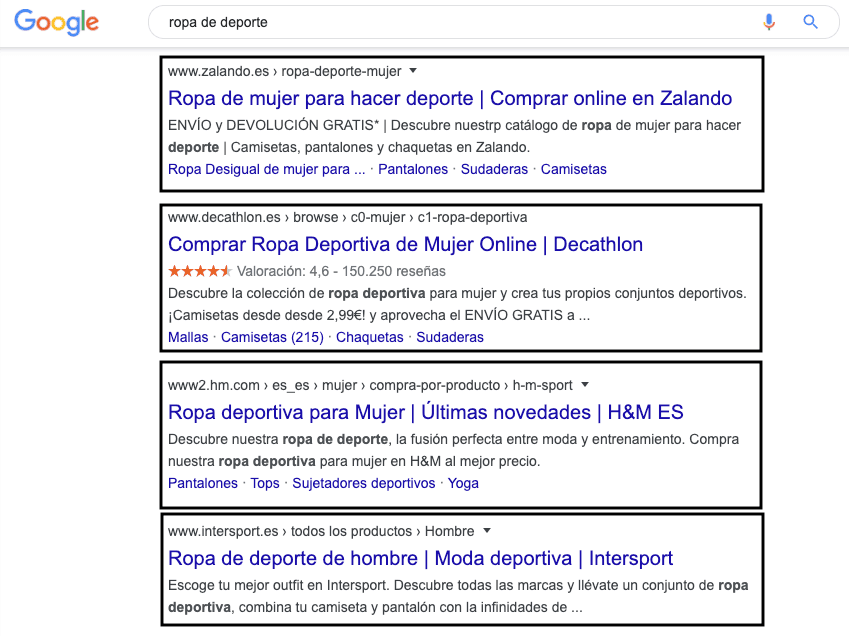
Search results, or snippets, fall into two big groups: SEO or organic results, and SEM or paid results.
Organic SERPs
These results are free and the most natural, since they appear thanks to SEO ranking work.
Paid SERPs (SEM)
These are paid results (SEM) that appear through investment in Google Ads. They depend on factors such as the bid, the keywords, etc.
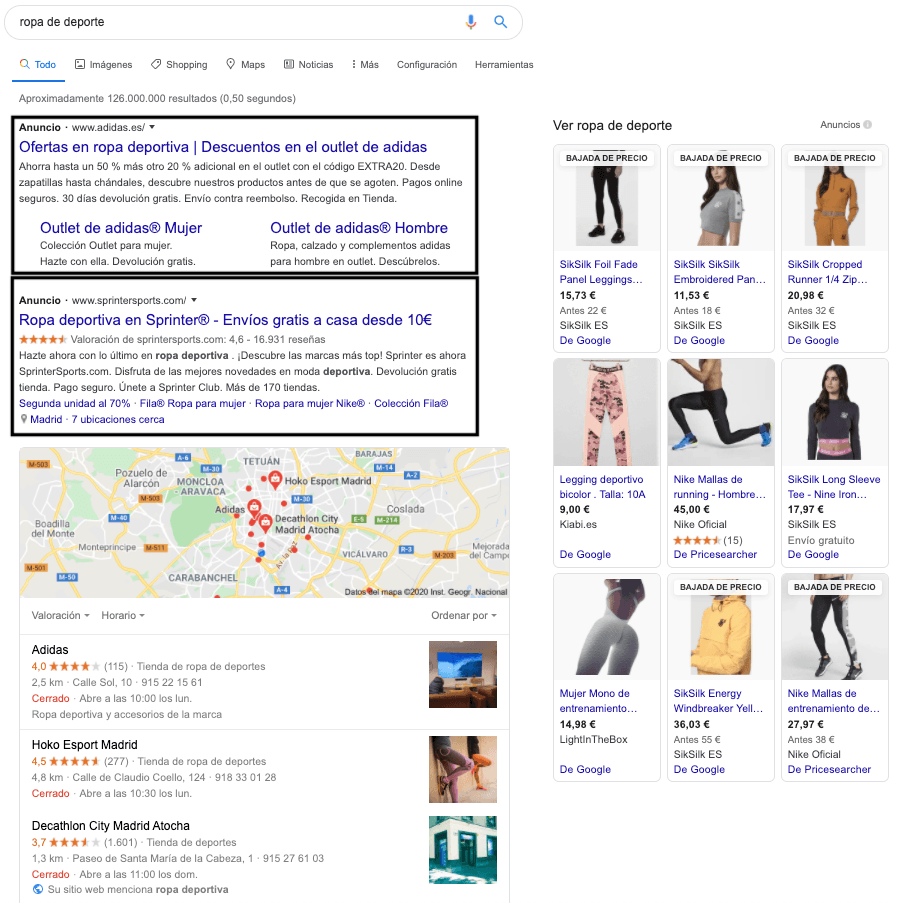
Types of results
Within the organic search results group (SEO), there is a wide variety of formats:
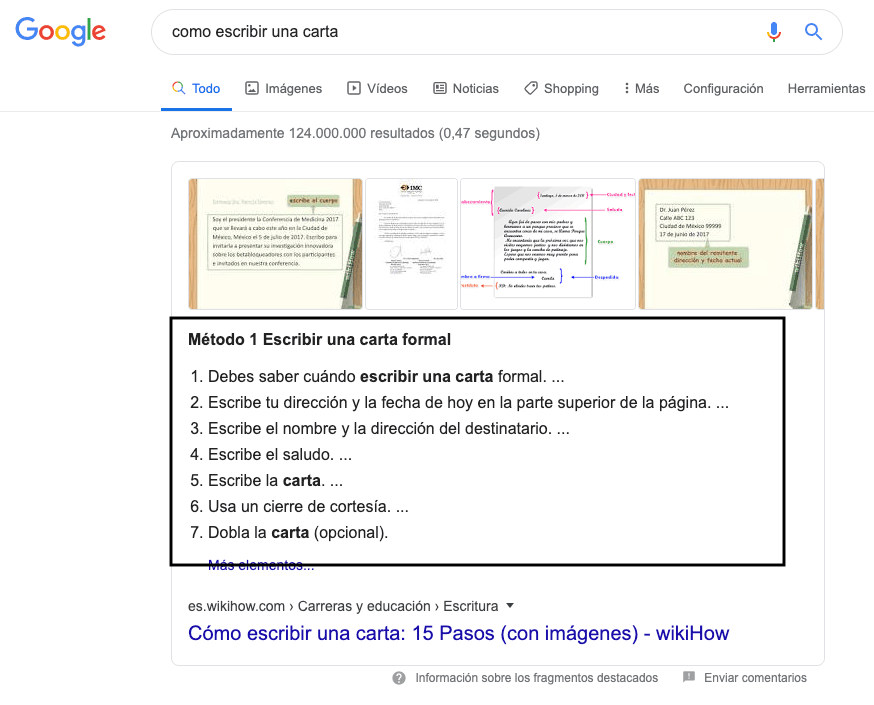
Featured snippet
These have a special format that gives users a quick, concise answer to their query. They are known as "position 0" or featured snippets. To get our site to appear in this kind of result, we have to adapt the content to answer a question and illustrate it with tables or lists.
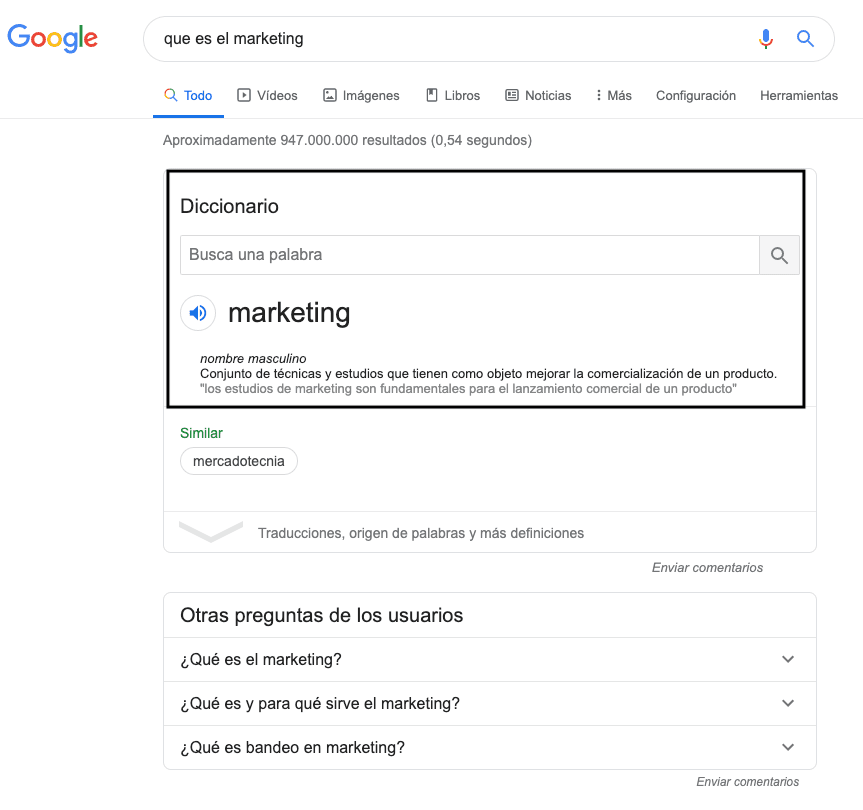
Instant answer
Results designed to deliver a fast, specific answer. It's a sort of dictionary that covers a huge amount of instant queries.
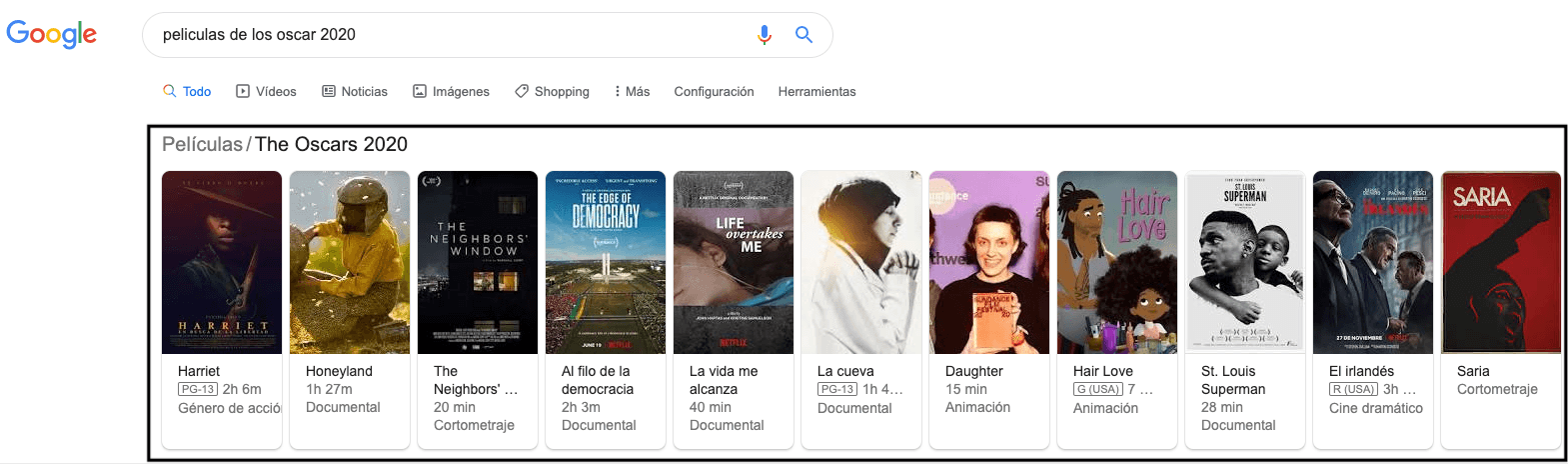
Carousel
Results in this format appear because of the user's search intent. Google understands that for these queries the user wants several options rather than a single specific answer.
Local
Through the user's geolocation, Google can display nearby results based on their location. Google Business Profile listings and maps are very valuable assets to surface to the user.
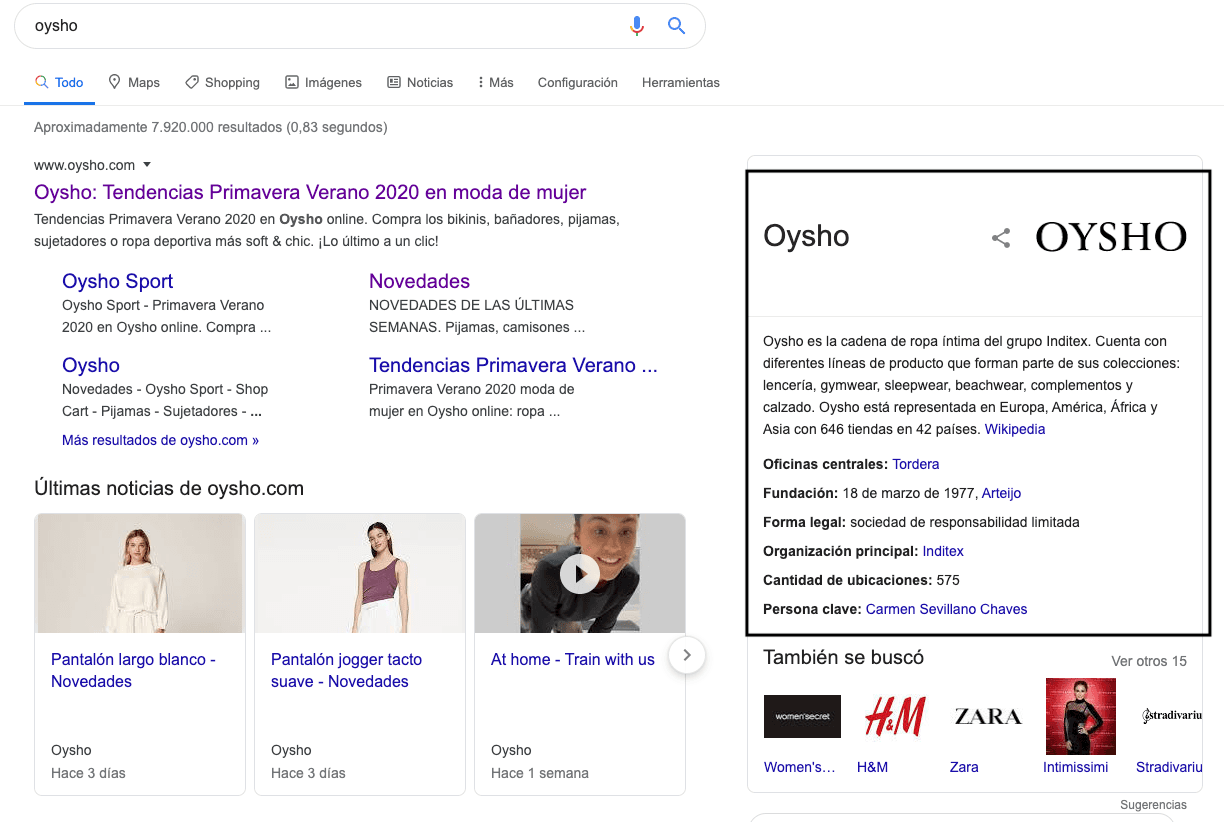
Top stories
For news-related searches, results from different newspapers appear. They are the most instant kind of result because they always show the very latest news.
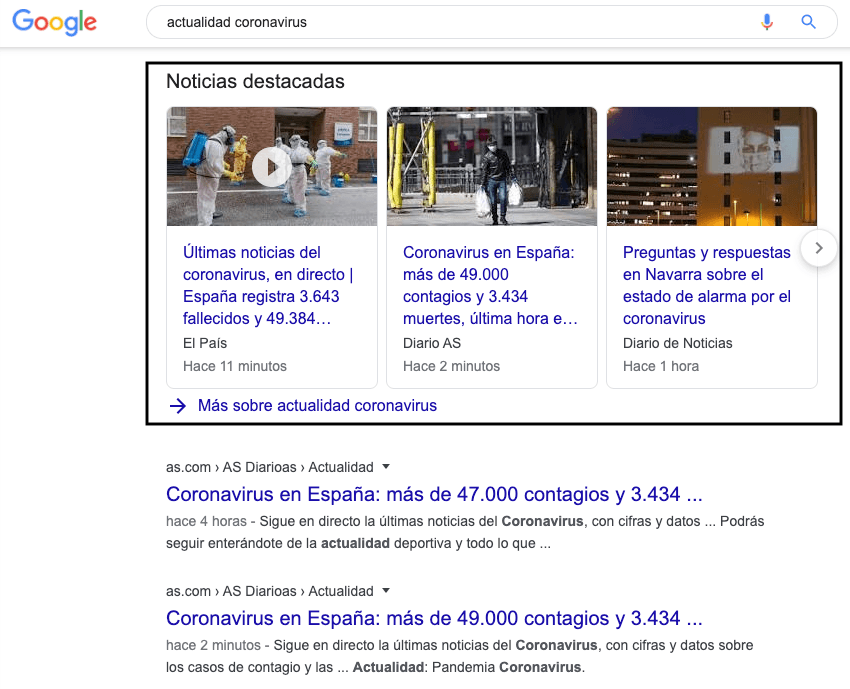
Videos
Google has integrated YouTube videos into the search results so they appear in queries. To rank in these results you need to fully optimize every field — title, description, keywords, etc.
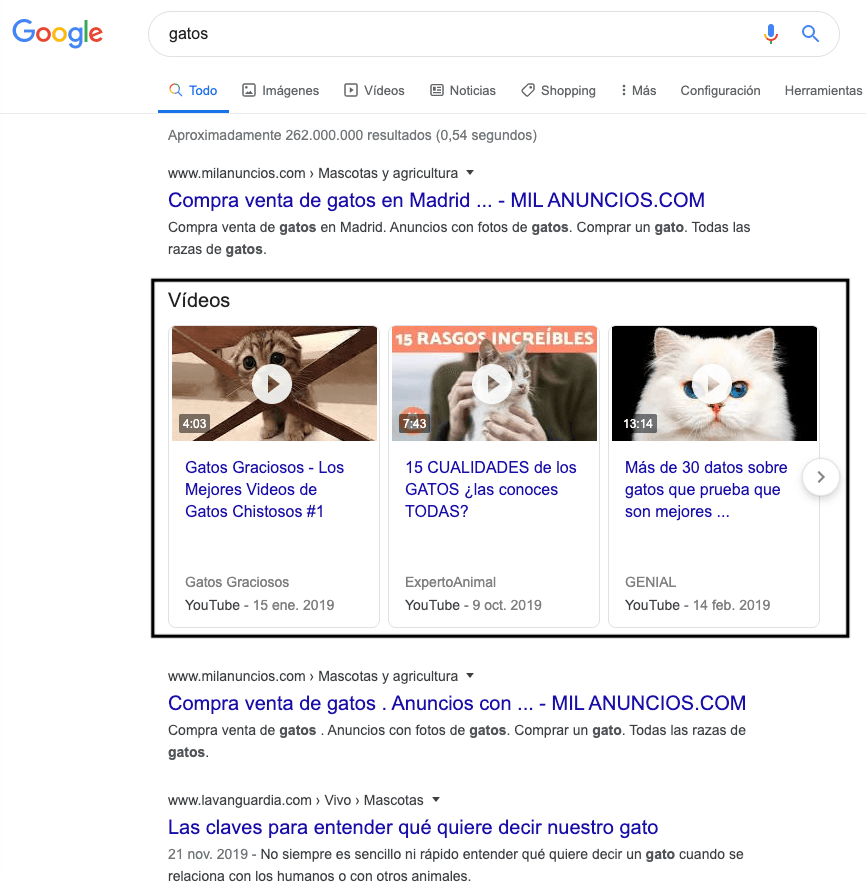
Images
Today, images are shown at the top of the page when the user runs a query. They don't always appear, but they do most of the time. You should aim to appear in these results because they tend to have a higher click-through rate and attract shoppers if you run an ecommerce. It's essential to include a title and ALT on every image to help Google identify and surface each one.
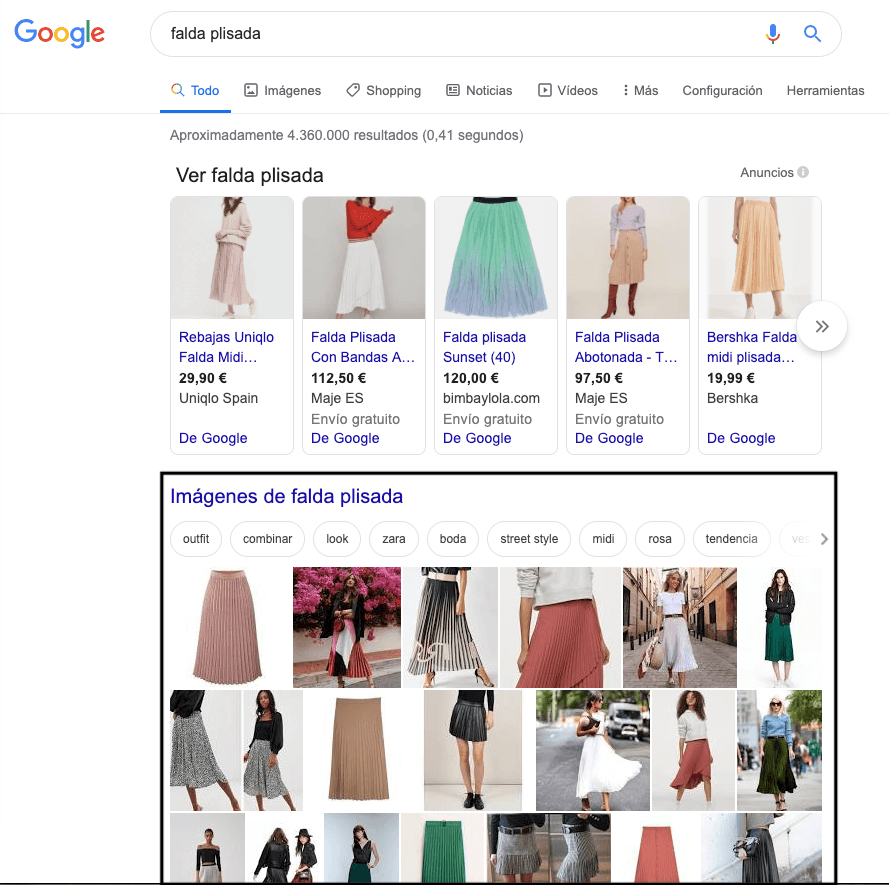
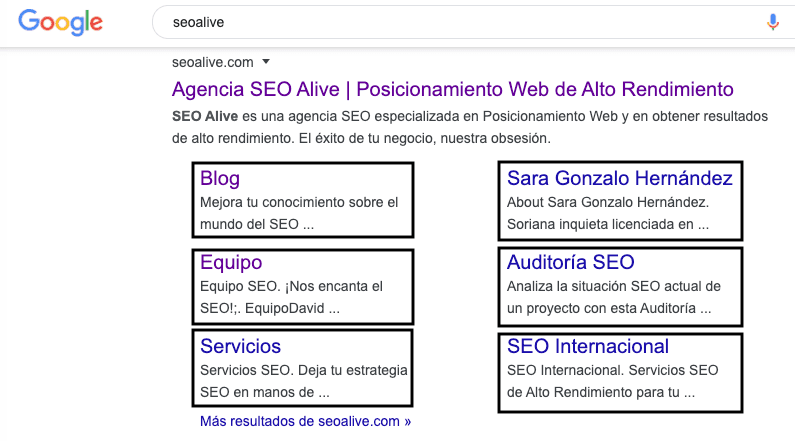
Sitelinks
So-called sitelinks are pages linked directly from the search results themselves. Google generates them automatically and surfaces a site's most popular sections.
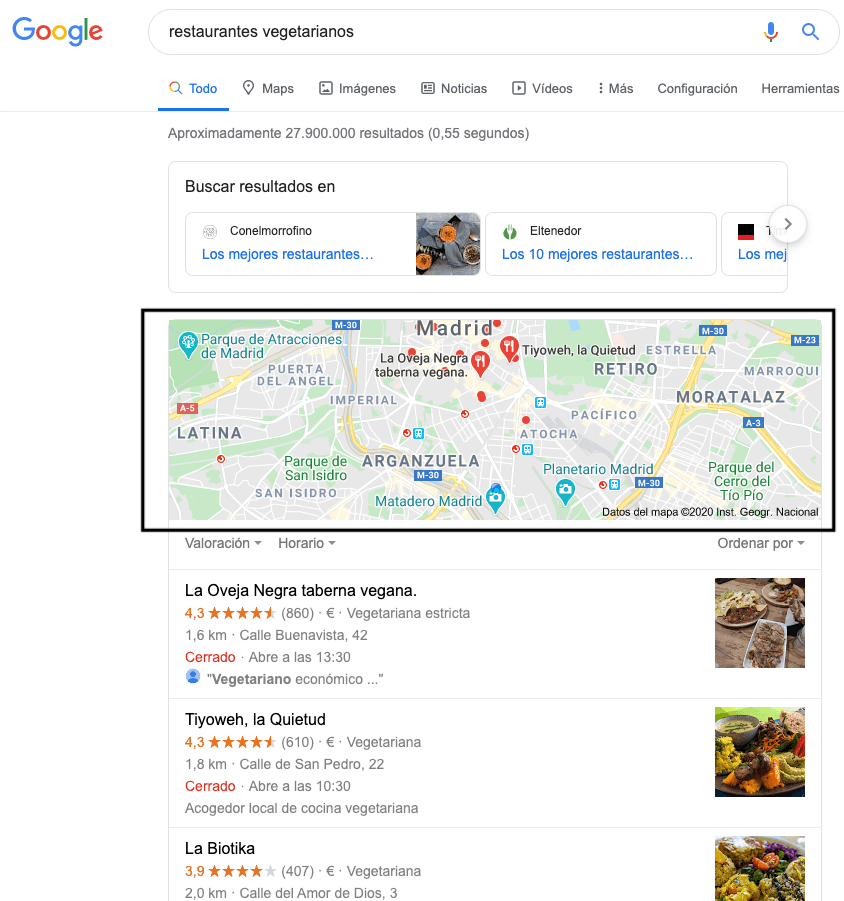
Maps
Google loves local results, so it usually displays a map for these kinds of queries — for example, "vegetarian restaurants".
SEM
Within paid results (SEM) there are two big groups: products / Google Shopping and classic text ads.
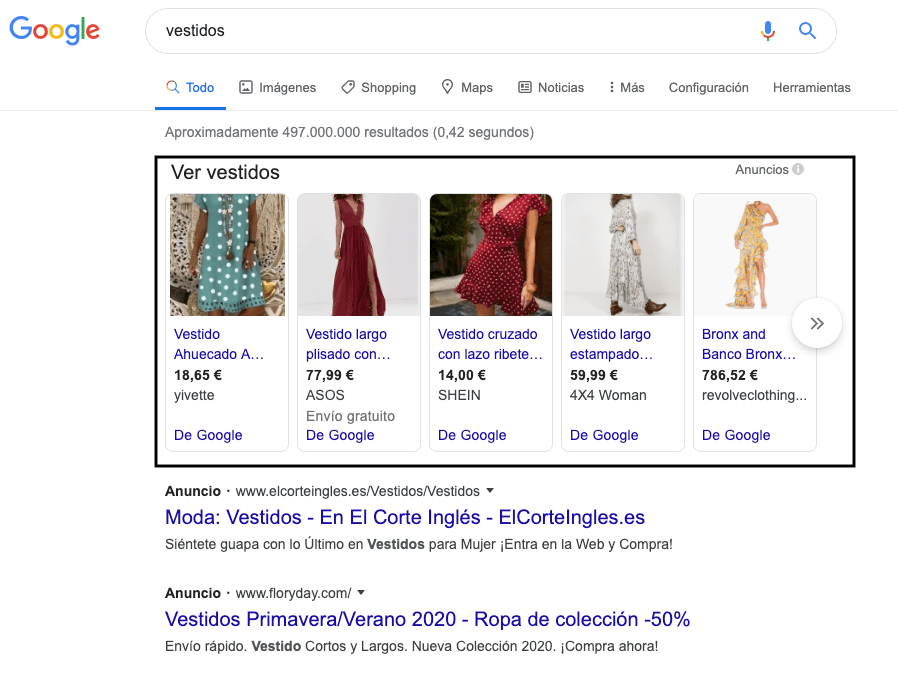
Products (Google Shopping)
These are blocks of images with links. Their purpose is to make purchasing easier and they usually appear at the very top of the results page. They can be considered SEM since you have to pay to appear in this section.
Ads (Google Ads)
Ads typically take the front page of Google's results, ahead of the organic results, because they are paid placements.
How do I choose the result that suits me best?
With so much variety, it's possible to land on the first page — and reach users — through several formats from the same site. In other words, you can occupy more than one result on a single page. The key is to understand which result types matter most to you and seize the opportunity.
We need to understand how search results work and what they look like in order to choose a strategy. For example, if you run an online store, you can leverage Google Shopping, image results, content that answers user questions, and more.
Are SERPs important for SEO?
As the saying goes, "If you're not on Google, you don't exist." The top three results in the search engine capture about 75% of the traffic, so working to land in the top spots is essential.
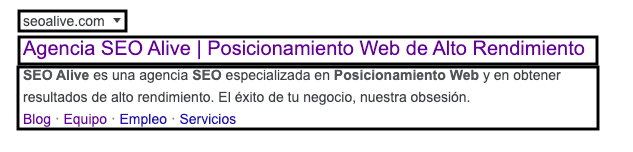
What's more, the organic channel drives the most traffic to a website in most cases, which is why we need to look after and optimize our search snippets. The snippet shows the page with its title, description, and URL — and it has to be compelling enough to earn the user's click.
For a successful SEO strategy we need to know each and every type of search result and how each one works.
How do you reach the top spots?
The first step is to define a ranking strategy for the project — analytical work the SEO specialist will lead. To climb to the top of page one in the search engine, focus on the following areas:
Search intent
You need to correctly identify the search intent of every page and define your ideal customer's journey. We have to distinguish between page types: transactional pages aim to drive a sale, informational pages provide information before the purchase, and there are also navigational pages. With this information architecture in place, we can adapt content to each page type.
Buyer persona
Identify your buyer persona: who are your potential customers? You should aim your ranking strategy at your target audience to truly understand their needs.
Keyword research
Identify your target keywords and, within them, research which already appear as featured snippets and which don't, so you can double down on those.
Structured data
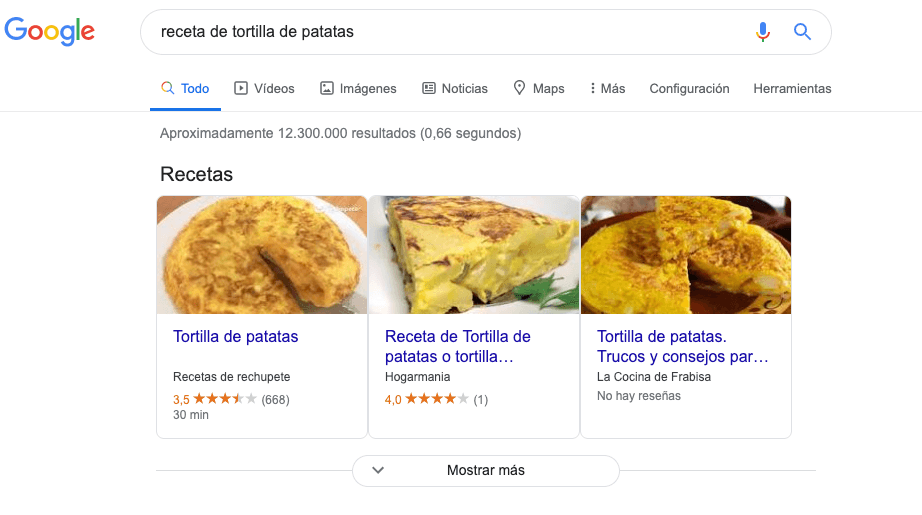
By using structured data (https://schema.org/) you can give Google all kinds of information about each page, making it easier for the right search result to appear — a recipe, for example.
Content
Focus on knowing what content is showing as a featured snippet and how to improve content that isn't yet ranking that way.
Metadata
Based on a keyword study, give every page a URL, title, and meta description so the snippet is perfectly tuned to appear in the user's search results.
Links
Earn quality links pointing to your site to boost the Domain Authority and Page Authority of your pages.
Page speed
Page speed (or WPO) is a critical factor for ranking on Google. You need to optimize image sizes and compress them when necessary.
Mobile
Your website must be available and optimized for mobile devices, since more and more searches happen on those.
Conclusions
Don't underestimate the importance of every single search result type in your digital marketing strategy. Reach out with any questions and we'll be happy to help.
Sources consulted:
• Inboundcycle: ¿Qué son las SERPS? • SemRush: SERPs: ¿cómo funcionan? • Roberto Andanaz: Todos los tipos de resultados en Google (y cómo aparecer en ellos) • Hotmart: SEO: ¡descubre cómo alcanzar las primeras posiciones en Google! • WordStream: SERP 101: All About Search Engine Results Pages
Author: David Kaufmann
I've spent the last 10+ years completely obsessed with SEO — and honestly, I wouldn't have it any other way.
My career hit a new level when I worked as a senior SEO specialist for Chess.com — one of the top 100 most visited websites on the entire internet. Operating at that scale, across millions of pages, dozens of languages, and one of the most competitive SERPs out there, taught me things no course or certification ever could. That experience changed my perspective on what great SEO really looks like — and it became the foundation for everything I've built since.
From that experience, I founded SEO Alive — an agency for brands that are serious about organic growth. We're not here to sell dashboards and monthly reports. We're here to build strategies that actually move the needle, combining the best of classical SEO with the exciting new world of Generative Engine Optimization (GEO) — making sure your brand shows up not just in Google's blue links, but inside the AI-generated answers that ChatGPT, Perplexity, and Google AI Overviews are delivering to millions of people every single day.
And because I couldn't find a tool that handled both of those worlds properly, I built one myself — SEOcrawl AI, an enterprise SEO intelligence platform that brings together rankings, technical audits, backlink monitoring, crawl health, and AI brand visibility tracking all in one place. It's the platform I always wished existed.
Discover more content about this author