2024 was a turbulent year for SEO, marked by major updates, controversies, and shifts in search behavior. As we move into 2025, several significant SEO trends are emerging.
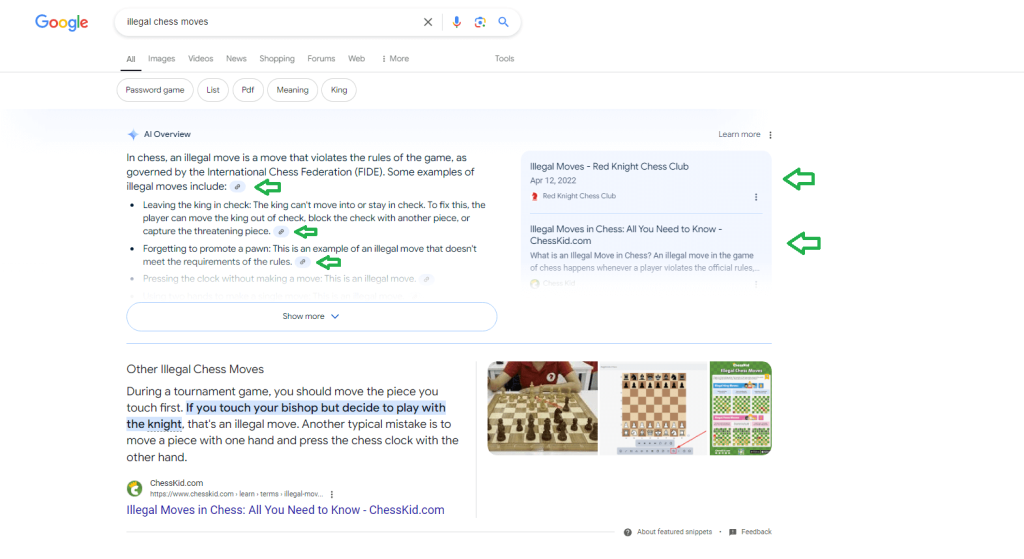
Google officially launched** AI Overviews**, often described as Featured Snippets on steroids.
We also saw a leaked ranking factors document confirming many long-held suspicions about Google's algorithm.
Meanwhile, Reddit and other community-driven content sites dominated search results, influencing how users find and trust information.
With so many big shifts, the inevitable question arises: IS SEO DEAD? The answer is... YES!
Well, at least the SEO of the early 2010s is dead. The traditional "10 blue links" are disappearing, and Google's SERPs now look more like a Christmas tree, filled with things like:
-
AI-generated summaries
-
Featured snippets
-
Forums
-
Video carousels
-
People Also Ask elements
...and more features. Some are newer, and others started appearing more often, further limiting the regular results. For many queries, only five or six traditional organic results remain.
SEO is more alive than ever, but we must adapt and evolve to stay competitive.
So, what are the key search engine optimization trends in 2025? Let's dive in.
AI Overviews Are Here to Stay
As with many of Google’s new features, AI Overviews were rolled out gradually. When they officially launched in May 2024, it was clear that search would never be the same. Google had to respond to the rise of ChatGPT and other AI-powered chatbots.
Initially, there was widespread concern that websites wouldn’t receive proper credit for their content. In response, Google made adjustments, giving sources more prominent attribution within AI Overviews.
Still, SEO experts are concerned about how much Google’s AI Overviews will reduce click-through rates, and to what extent.
Many compare AI Overviews to Featured Snippets, but there are key differences. While Featured Snippets typically cite one or two sources, AI Overviews include an average of 11 citation links.
Another key distinction is that AIOs don’t just highlight top-ranking sites. Even smaller websites now have a chance to appear above the fold, regardless of their position in the results.
In 2025, expect to see AI Overviews expand into new niches and queries, allowing a broader range of websites to appear in these prominent positions. Google’s push to prioritize authoritative content over less credible sources will only grow, meaning a well-structured and expert-driven approach will be essential.
How to adapt:
-
Optimize for AI crawling by ensuring your site is technically sound and easy to parse.
-
Build credibility through strong backlinks, structured data, and expert-driven content.
-
Create well-structured, authoritative content that AI search prioritizes. Regularly update your content to ensure it stays relevant and accurate, particularly when it comes to evolving topics.
The Surge of Zero Clicks Searches
Zero-click searches have been a topic of discussion since the early days of Featured Snippets in 2014. Today, with AI Overviews appearing in more searches, we’ve entered the next stage of search.
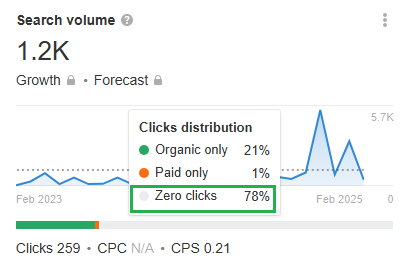
AI Overviews could impact click-through rates, as users are presented with rich summaries and information directly in search results. This trend aligns with Google's goal of becoming a one-stop answer hub, encouraging visitors to stay on the platform without needing to leave.
However, there’s an upside: The clicks you do get will likely be higher quality. AI Overviews act as a filter, meaning those who click through are more engaged and more likely to convert."
How to adapt:
-
Use schema markup to maximize visibility and brand presence in search.
-
Try to win more SERP-real estate and target SERP features like People Also Ask, video results, and image packs.
-
Focus on brand awareness- often appearing in AI Overviews alone can boost credibility.
The Shift to User-Centric SEO
For years, SEO was about matching keywords. Now, it's about matching user intent. AI-powered search is increasingly prioritizing context over exact keyword matches. In 2025, search engines will get even better at understanding the context behind a query, making search intent mapping a crucial element of content creation.
In fact, studies show that only 5.4% of AI Overviews contain an exact query match. This proves that ranking well is no longer about keyword stuffing but about providing actual value for users.
Understanding whether a user is looking for information (informational intent), a product (transactional intent), or a specific answer (navigational intent) will be key to creating content that ranks.
How to adapt:
-
Create content that answers real user questions, not just keyword-based articles (for example, check what appears in the People Also Ask section).
-
Structure content for easy scanning (e.g., bold/italic formatting, bullet points, subheadings, FAQs).
-
Optimize for long-tail, intent-based searches that align with user needs.
How Video is Shaping the Future of SEO
Video content is no longer just a nice-to-have; it’s a critical element of SEO strategy. With platforms like YouTube being the second-largest search engine, Google is giving more prominence to video content in search results. AI progress now enables Google to understand video content more deeply, influencing how videos are ranked.
For instance, AI can transcribe videos and use these transcriptions to identify relevant keywords, allowing video content to appear in search results for related queries. This has created new opportunities for creators and brands to get visibility in search.
How to adapt:
-
Optimize video metadata (title, description, and tags) for search engines.
-
Add transcriptions or captions to make your videos more accessible to both users and search engines.
-
Use video schema markup to improve visibility in video carousels and search snippets.
Answer Engines Are the New Google Alternatives
Google may still dominate search (and this is very unlikely to change significantly), but it no longer has a monopoly on answers. AI-driven platforms like ChatGPT Search and Perplexity are changing the way how people search and find information. These AI-powered platforms provide instant, conversational answers rather than lists of links.
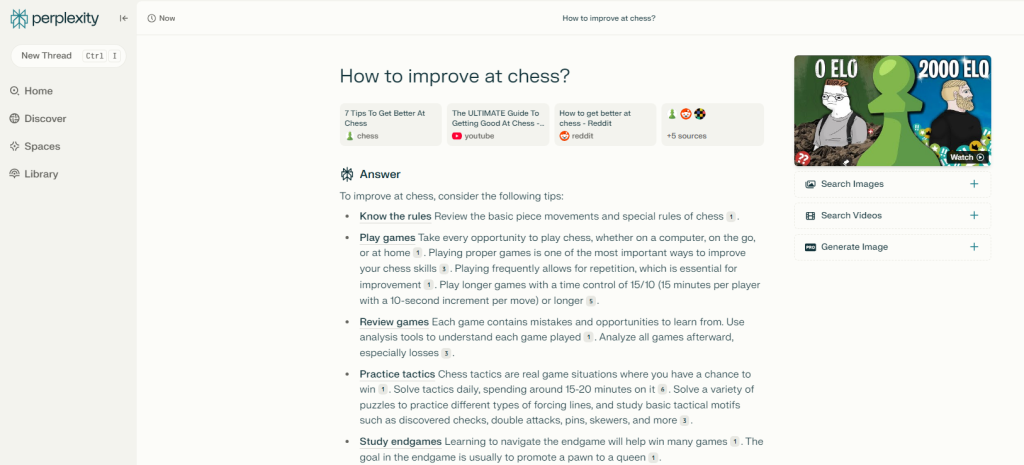
This shift means that SEO is no longer just about optimizing for Google. It’s about optimizing for AI-driven search models. Unlike traditional search engines, these answer engines don’t necessarily rely on ranking signals like backlinks or keyword density. Instead, they prioritize high-quality, well-structured content that AI can easily understand and summarize.
Another challenge is attribution. While Google’s AI Overviews have started crediting sources more clearly, other AI-powered platforms are less transparent. Some may summarize content without providing direct links, making it harder to track referral traffic.
How to adapt:
-
Structure content so AI models can easily reference and summarize it.
-
Focus on authoritative sources and high-quality do-follow backlinks.
-
Track referral traffic from non-Google sources and optimize accordingly.
The Rise of Community Search Results
One of the biggest shifts in 2024 was Google's preference for community-driven content. Forums, Reddit, and Quora now dominate search results for many queries. Google is prioritizing first-hand experiences over corporate content.
Ignoring online discussions means losing search visibility. Actively engaging in online communities is no longer optional- it's essential.
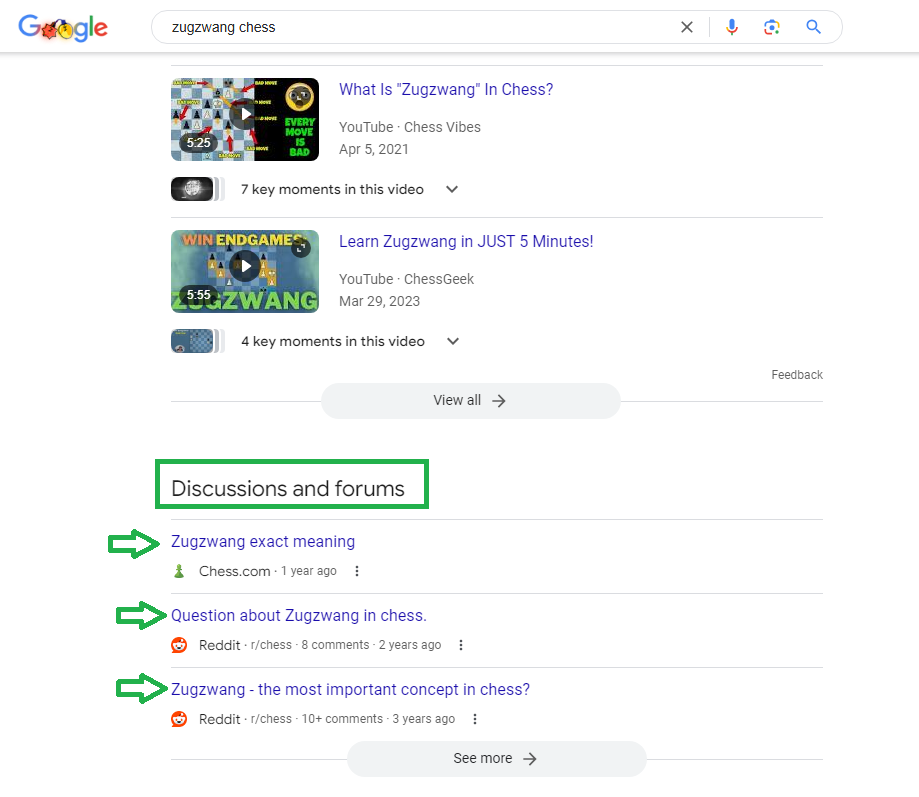
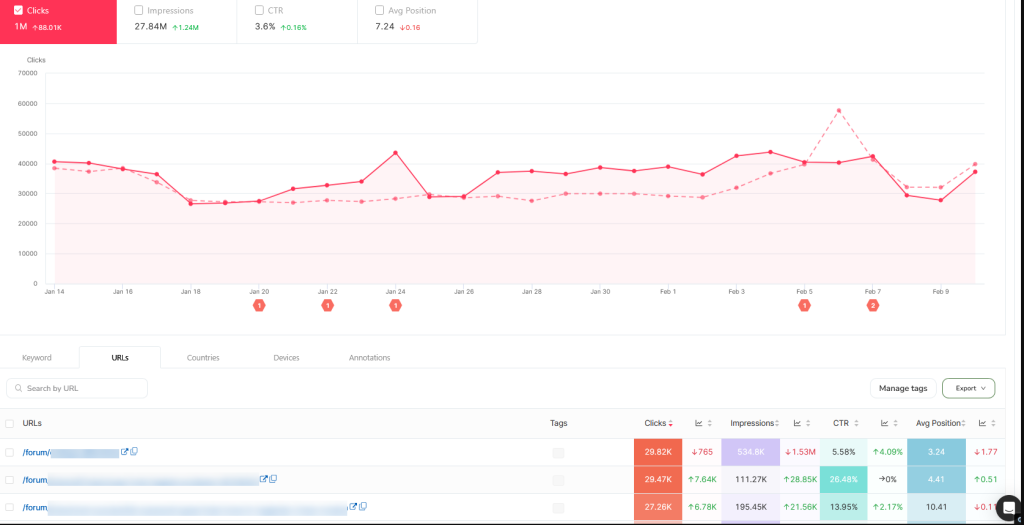
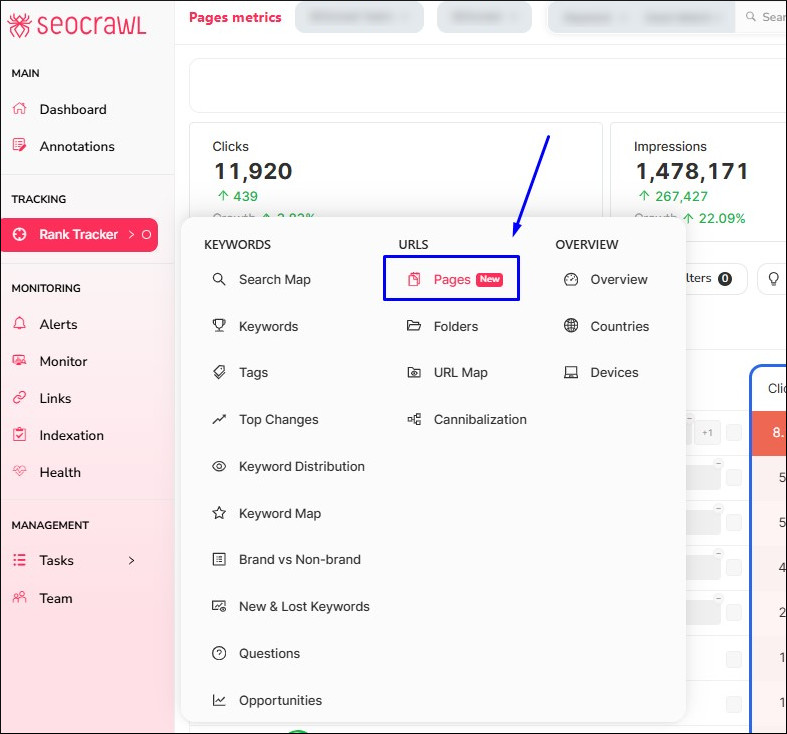
PRO Tip: Do you know that you can see the performance of your /forum pages to gain useful insights in SEOcrawl?
We have a handy search bar on top where you can simply include the forum folder on your website and get instant results.

How to adapt:
-
Participate in relevant online communities (e.g., Reddit, Quora, niche forums). You can also consider creating your own community or improving the UX and features of your existing forums, if you have one.
-
Create content aligned with the real questions users ask in these spaces.
-
Encourage customer reviews and discussions that search engines can surface.
The Growing Importance of E-E-A-T
Google’s focus on E-E-A-T (Experience, Expertise, Authoritativeness, Trustworthiness) is stronger than ever. AI-driven search improves this by prioritizing content from credible sources.
To rank well, brands need to demonstrate their expertise, not just publish articles and blog posts. With the rise of AI tools, content creation has become easier than ever. As a result, identifying trusted sources is one of Google’s main priorities in distinguishing quality content from imitators.
How to adapt:
-
Ensure content is written or reviewed by industry experts. Share personal stories, internal data/research, and things that competitors can't easily replicate. Try to provide additional value from what's already there.
-
Strengthen author profiles with credentials and real-world experience (create author bios to show their expertise).
-
Use structured data to reinforce credibility in search results.
The Future of SEO in the AI World: Beyond Keywords and Rankings
The SEO landscape is evolving faster than ever. AI-driven search, alternative search engines, and shifting user behavior are redefining how content is discovered.
The days of ranking through keyword stuffing and backlinks alone are over. The winners in 2025 will be those who focus on:
-
Providing value beyond just search rankings.
-
Building brand trust through real expertise and community engagement.
-
Optimizing for AI, not just traditional search engines.
SEO is not dead and will not be anytime soon. It's just changing, and the key is to evolve with it, not be left behind.
BONUS: Use SEOcrawl to Stay on Top of Your SEO in 2025
With so many changes, the future of SEO might seem uncertain, but SEOcrawl can be your trusted friend.
Our Rank Tracker keeps you informed of every possible change- whether it's a keyword (branded or non-branded), a URL, a tag, or more. It offers a range of features to measure SEO performance, uncover insights, and identify opportunities.
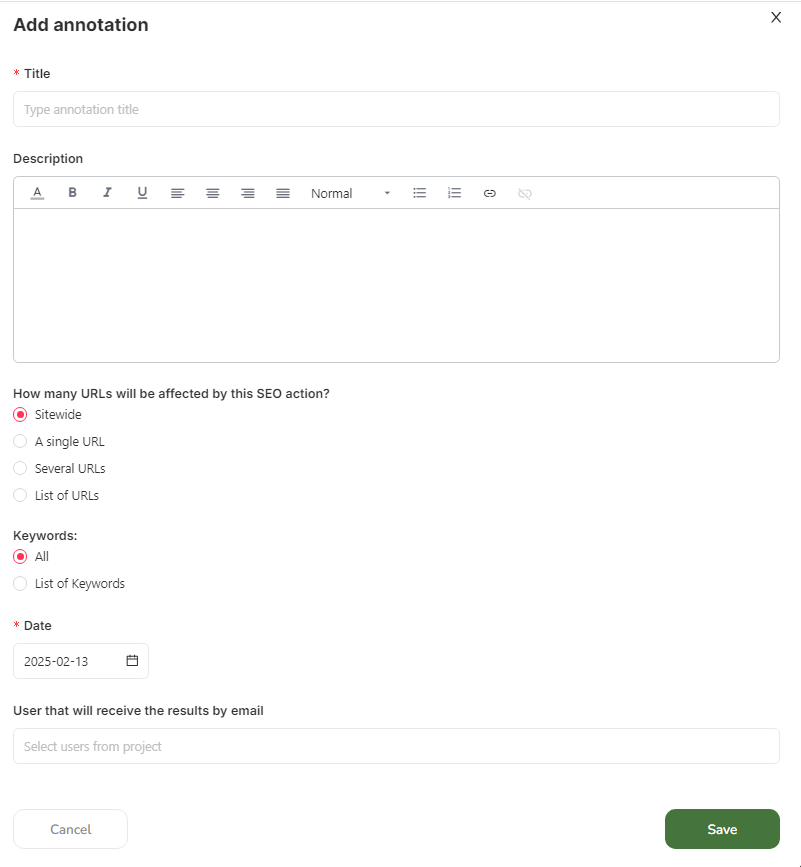
The automated Annotations report provides regular updates, helping you track how your and your team's SEO efforts impact traffic. Understanding whether your work is having a positive effect or not is crucial for shaping your SEO strategy, especially in a fast-changing digital world.
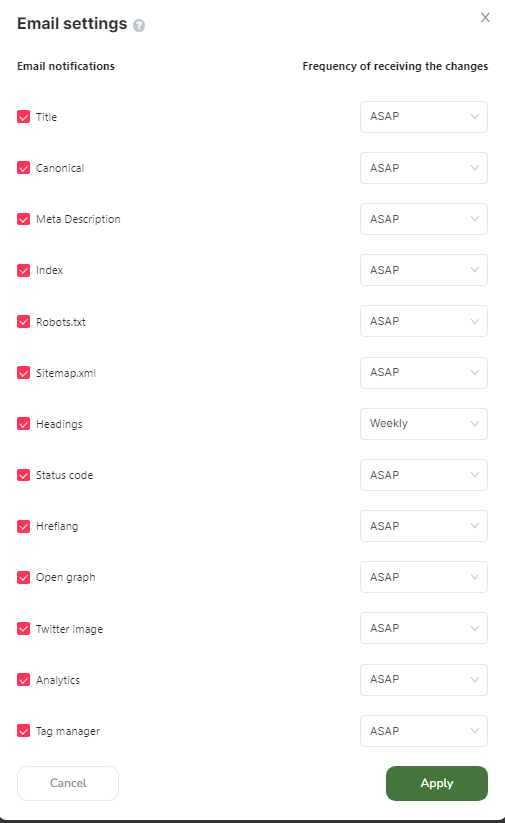
Another valuable feature is Monitor, which automatically alerts you to important changes on your website. Mistakes can happen- whether due to a DEV error or something else, but what truly matters is detecting and resolving them quickly. With SEO Monitor, you can track your most important pages for various changes and receive instant notifications when something goes wrong.
These are just a few of the many features designed to help you manage SEO more efficiently. Check out our 2025 SEOcrawl Roadmap to see all the exciting updates coming your way: https://seocrawl.com/en/roadmap/. Good luck!
SEO Specialist at SEO Alive
SEO specialist focused on technical SEO and international search strategies.
View all posts by Ognian Mikov →